A guy walks into a bar and orders a beer. "Ah, October! Almost time for Halloween. This season reminds me of how I met my wife. I went to a costume party, and saw her across the room. Standing there all thin and tall and gorgeous next to her fat friend. They'd come to the party together dressed as the number ten," he tells the bartender. "That's when I knew, she was the one."
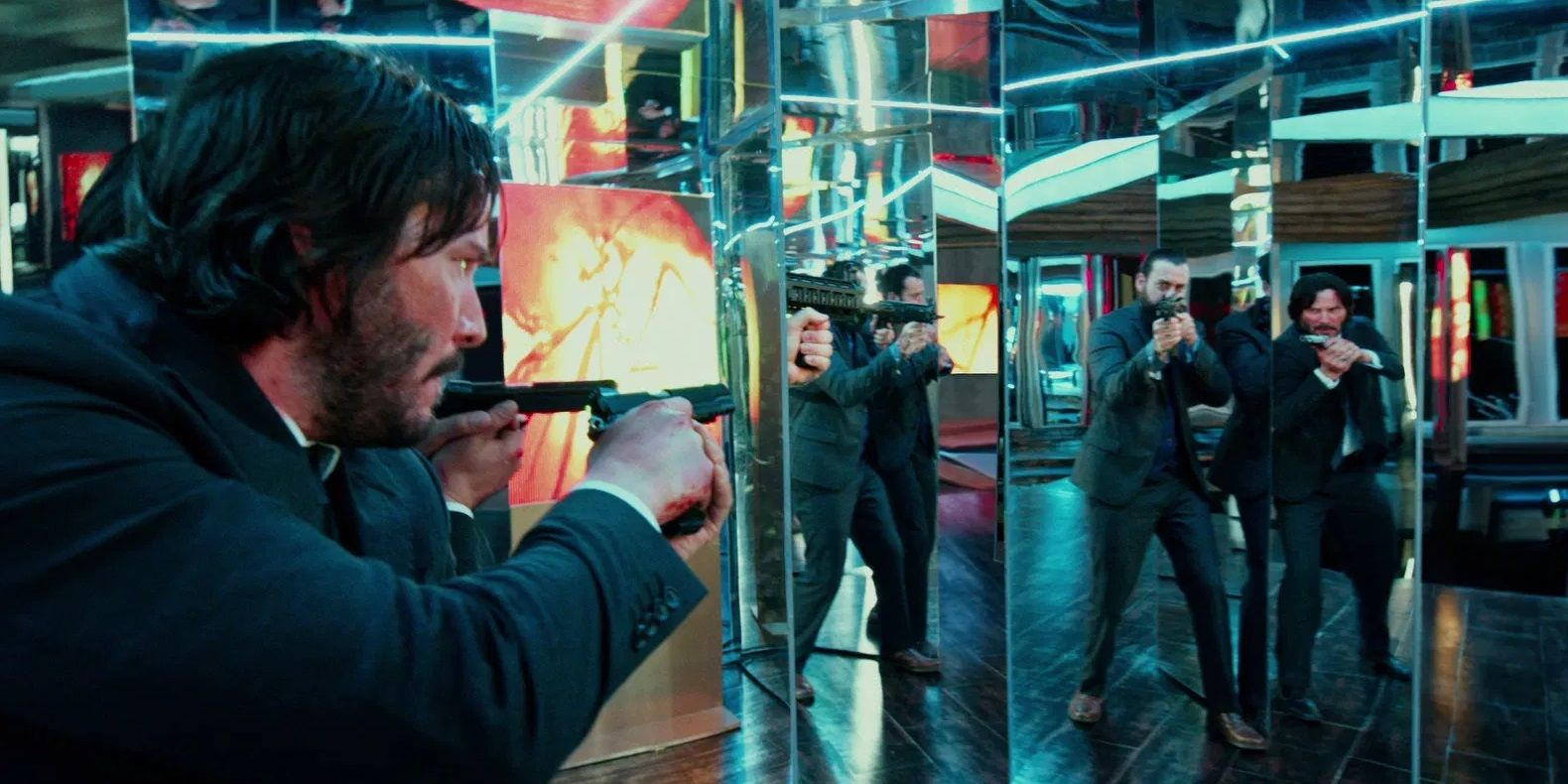
Since his feature film debut in Youngblood and his breakthrough role in Bill & Ted’s Excellent Adventure, Keanu Reeves has been one of the most celebrated movie stars in the world. Thanks to the success of the John Wick franchise, Reeves is currently more famous and revered than ever.
From Speed to Point Break to The Matrix trilogy, Reeves’ most popular movies tend to belong to the action genre. He’s been in plenty of critically panned action movies, but also plenty that were widely praised.
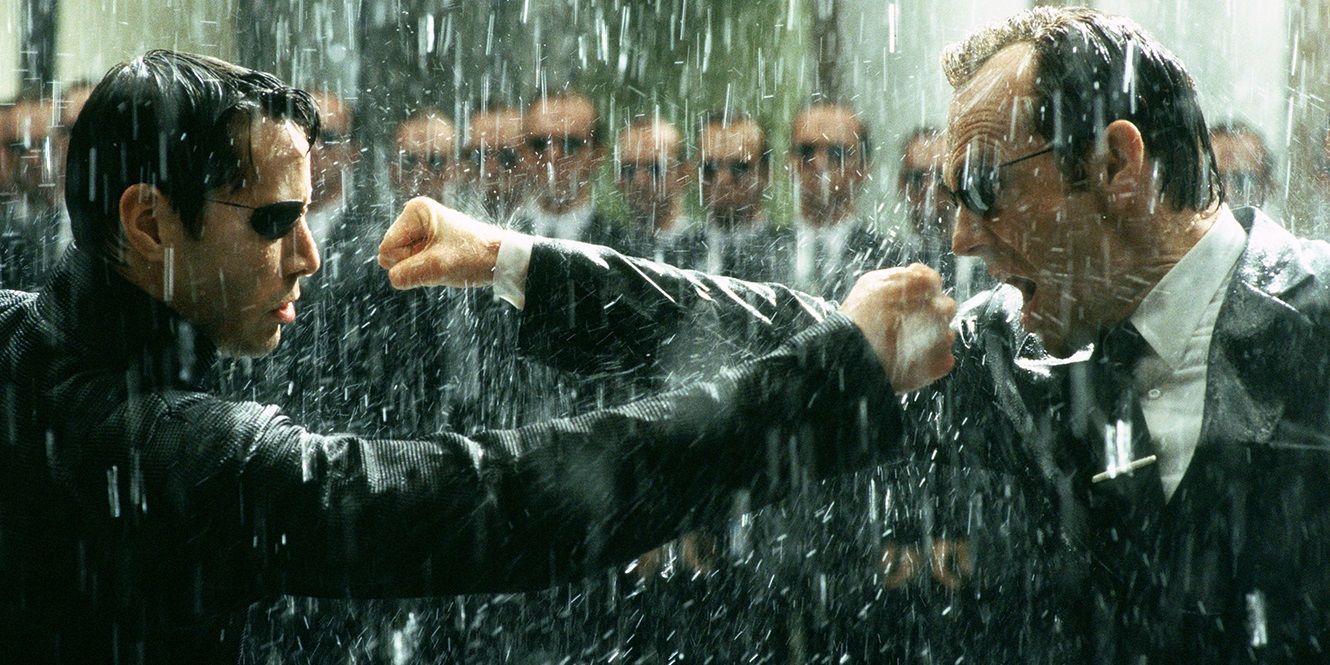
10 The Matrix Revolutions (6.8)
As the war between the machines and the humans comes to a head in The Matrix Revolutions, Neo confronts his arch nemesis Agent Smith in the hopes of saving Zion.
It’s common for the third movie of a trilogy to be panned by critics – Spider-Man 3, Ocean’s Thirteen, The Godfather Part III – because the expectations of a big finale are impossible to live up to. The Wachowskis couldn’t hope to conclude their cyberpunk saga about the fate of humanity in a satisfying way.
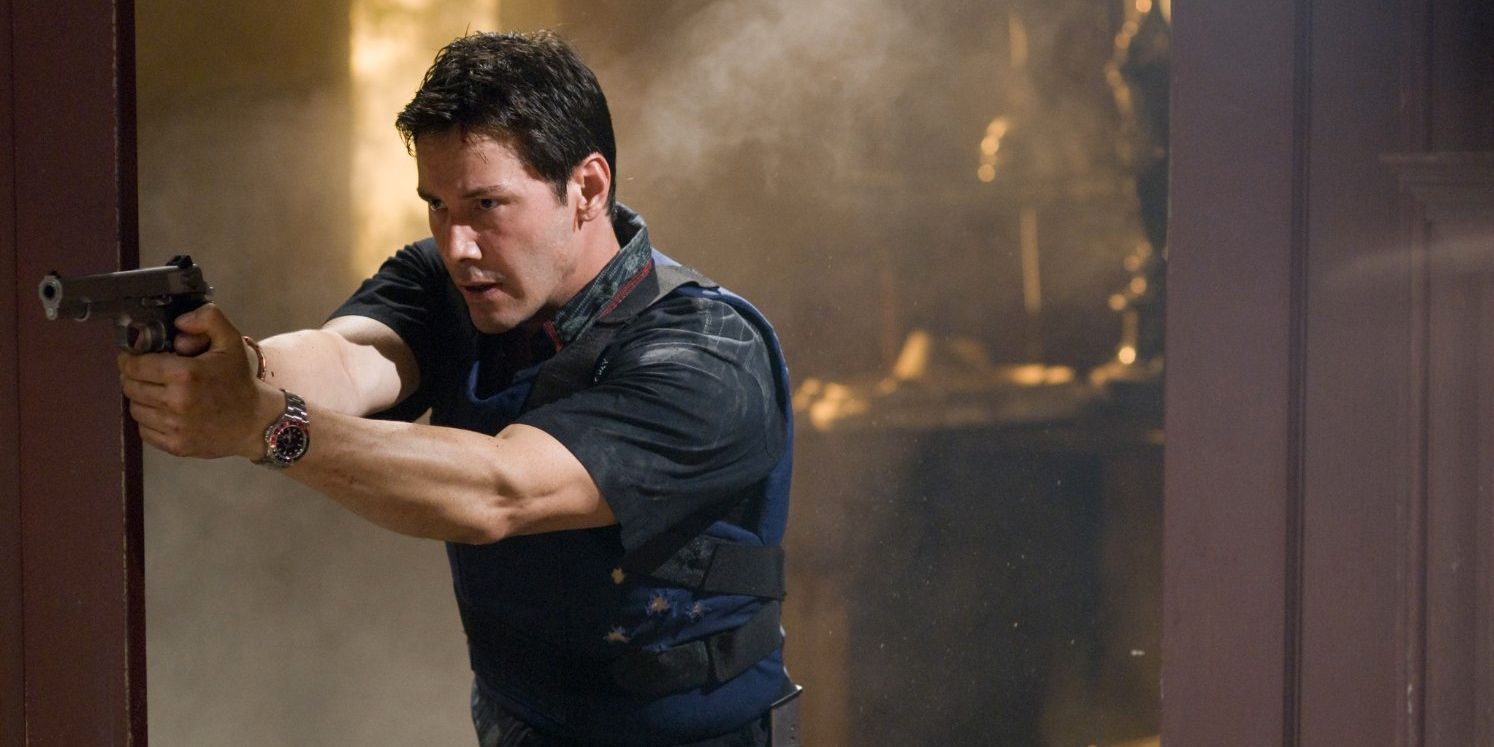
9 Street Kings (6.8)
Directed by Suicide Squad’s David Ayer, Street Kings stars Reeves as a detective reeling from the death of his wife who questions his friends’ loyalty when he’s accused of murdering a fellow officer.
The storytelling in Street Kings was a little formulaic for some critics’ tastes, but it was interesting to see Reeves in the role of a morally dubious antihero.
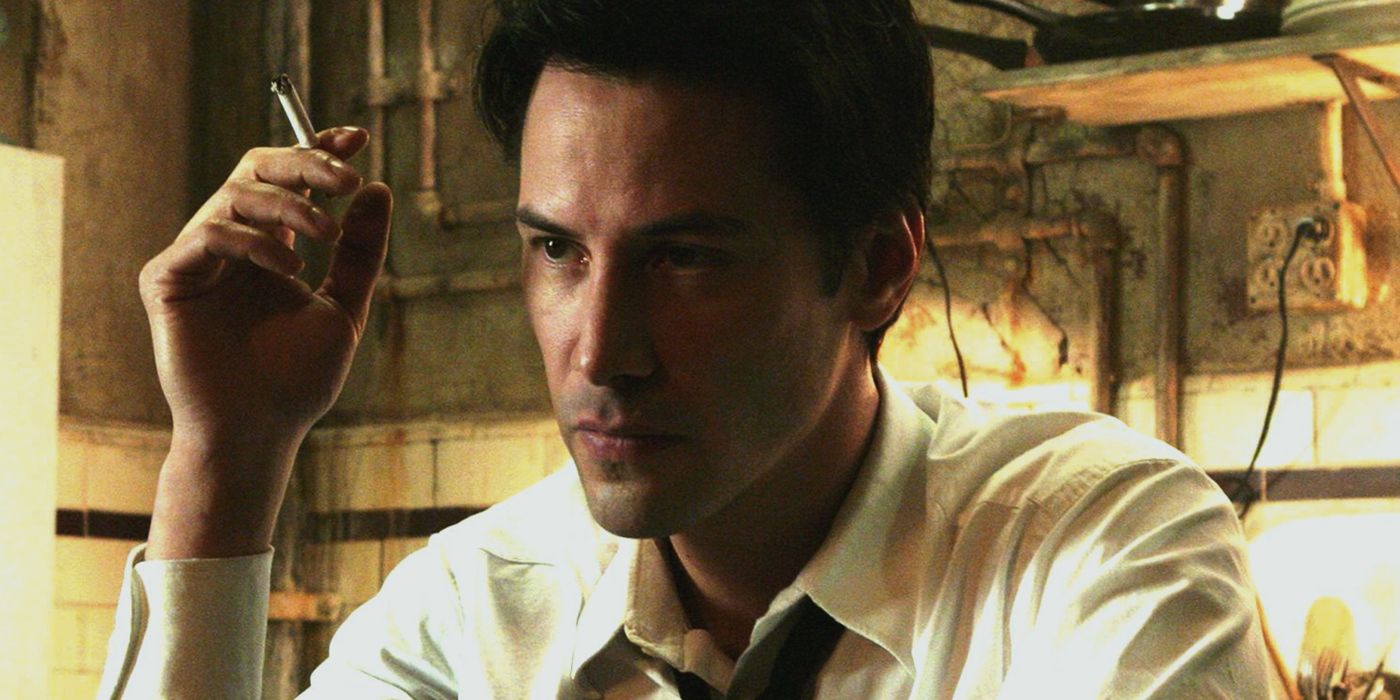
8 Constantine (7.0)
Adapted from DC’s Hellblazer comic book, Constantine focuses on the titular exorcist and his supernatural ability to communicate with angels and demons. Any great Constantine movie would need to lean into the character’s darker aspects, with swearing and sexuality and graphic violence.
This movie ended up getting an R rating from the MPAA, but according to Collider, the producers aimed for a PG-13 rating at the behest of Warner Bros. So, tragically, the filmmakers avoided a faithfully hard-R tone so they wouldn’t get an R rating and they got an R rating anyway.
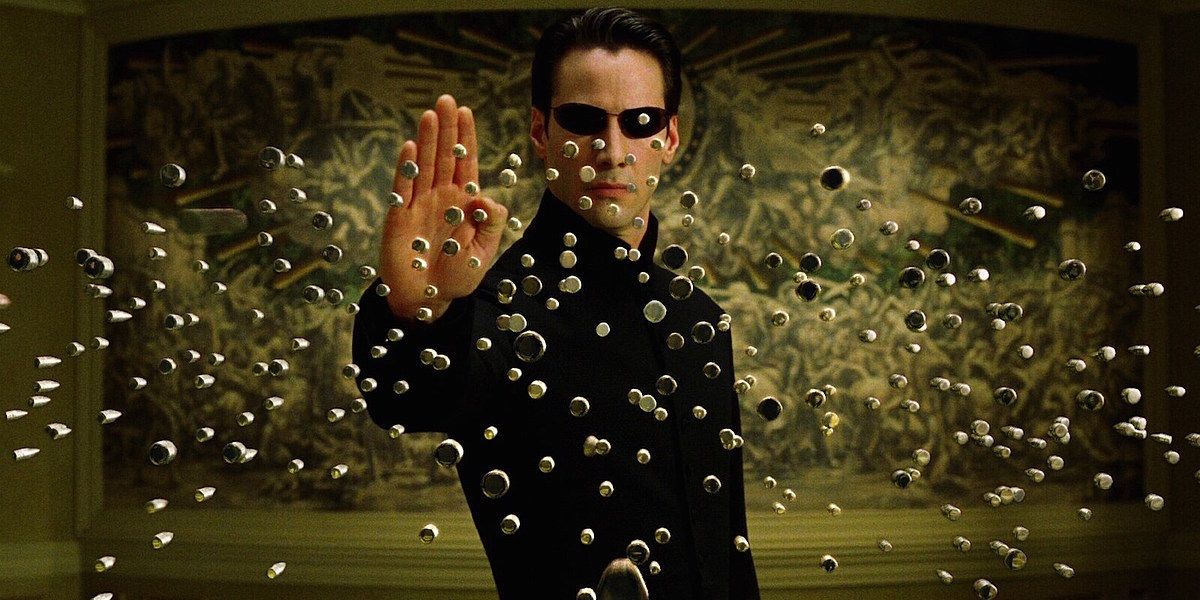
7 The Matrix Reloaded (7.2)
After the first Matrix movie provided Neo with a superhero origin story, The Matrix Reloaded saw him using those superpowers for good. As Zion prepares for war with the machines, Neo rescues the Keymaker and ultimately confronts the Architect.
The second Matrix movie might not be as groundbreaking or thought-provoking as its predecessor, but it has plenty of memorable action scenes – particularly the freeway chase.
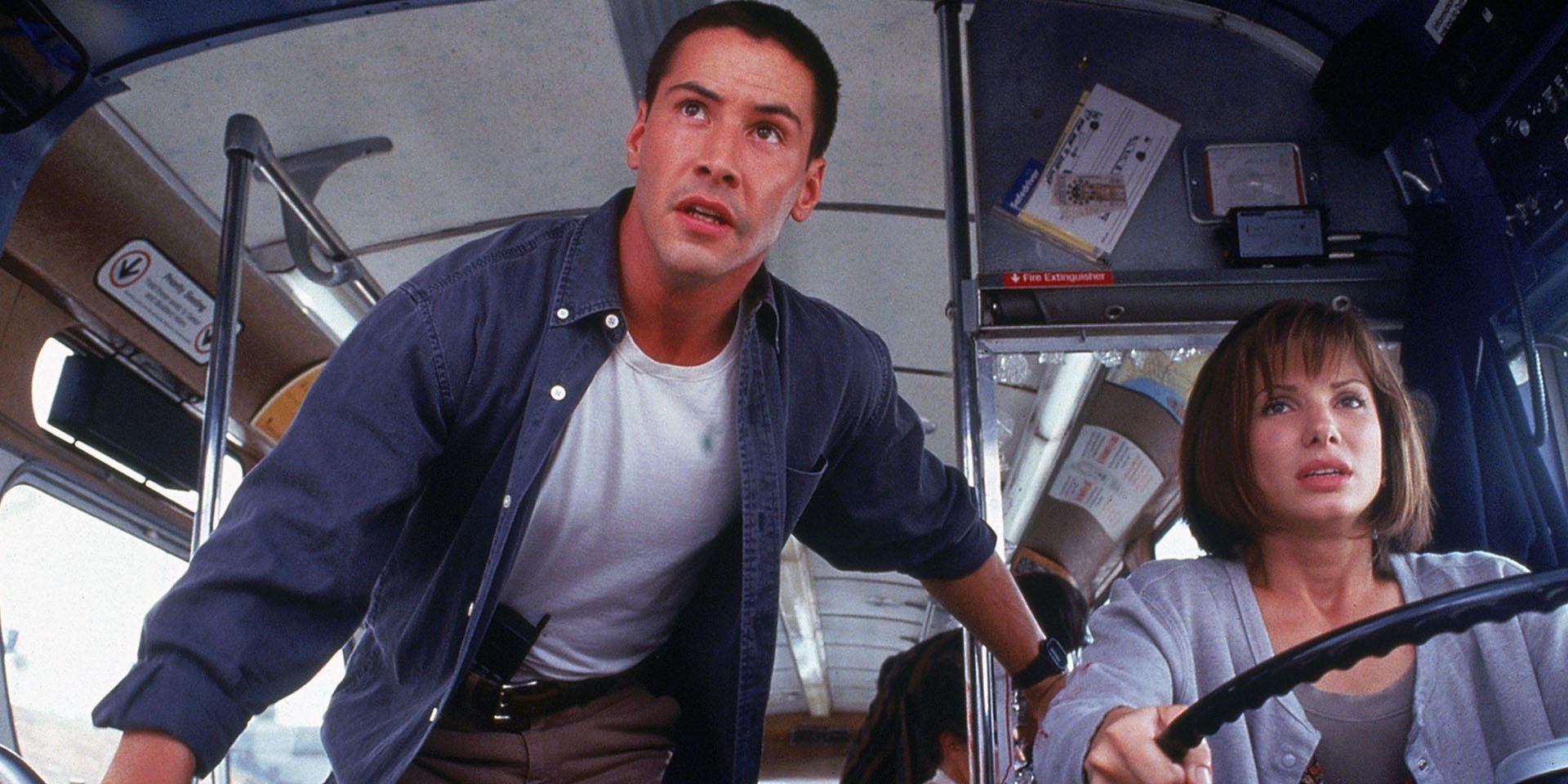
6 Speed (7.2)
While the premise of “Die Hard on a bus” might sound ridiculous, Speed is one of the most thrilling action movies ever made. Reeves plays a cop who hops on a bus that’s been rigged with a bomb that will explode if the vehicle’s speed drops below 50mph.
Thanks to its high-stakes storytelling, high-octane set pieces, and the unforgettably sinister villain played by Dennis Hopper, Speed became one of the most critically acclaimed action films of the ‘90s.
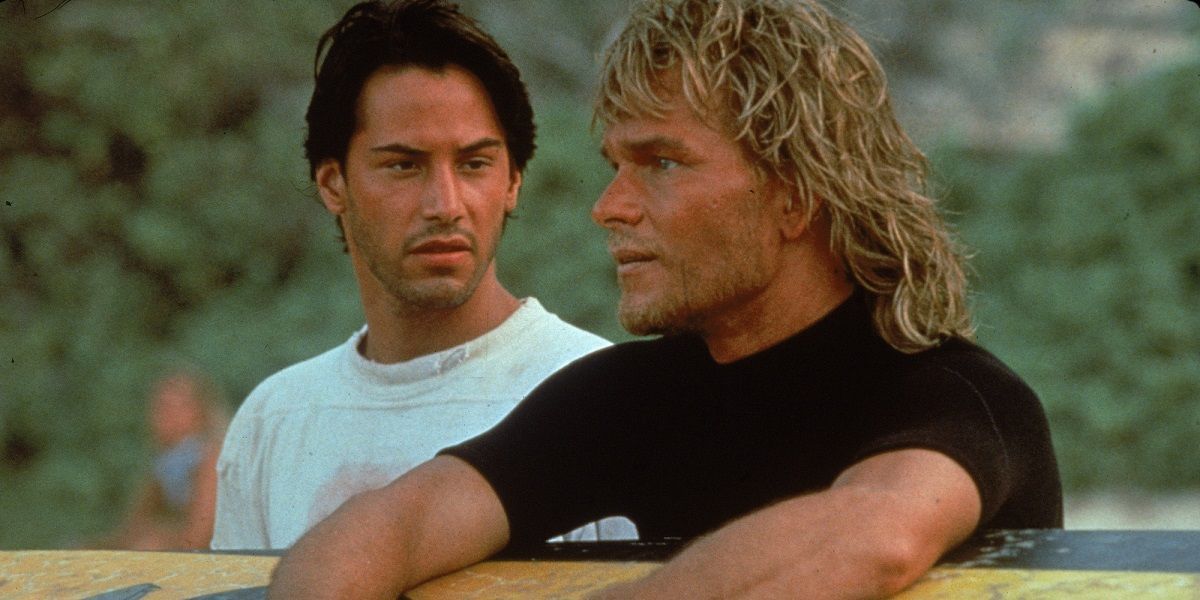
5 Point Break (7.3)
Putting a unique spin on the familiar “buddy cop” concept, Point Break stars Reeves as an FBI agent who goes undercover with a gang of surfers who rob banks. He becomes so endeared to their charismatic leader Bodhi, played by Patrick Swayze, that he doesn’t want to turn them in.
Kathryn Bigelow’s typically visceral direction and Reeves’ tangible on-screen chemistry with Swayze managed to overcome the ridiculous plotting of Point Break and made it an action classic.
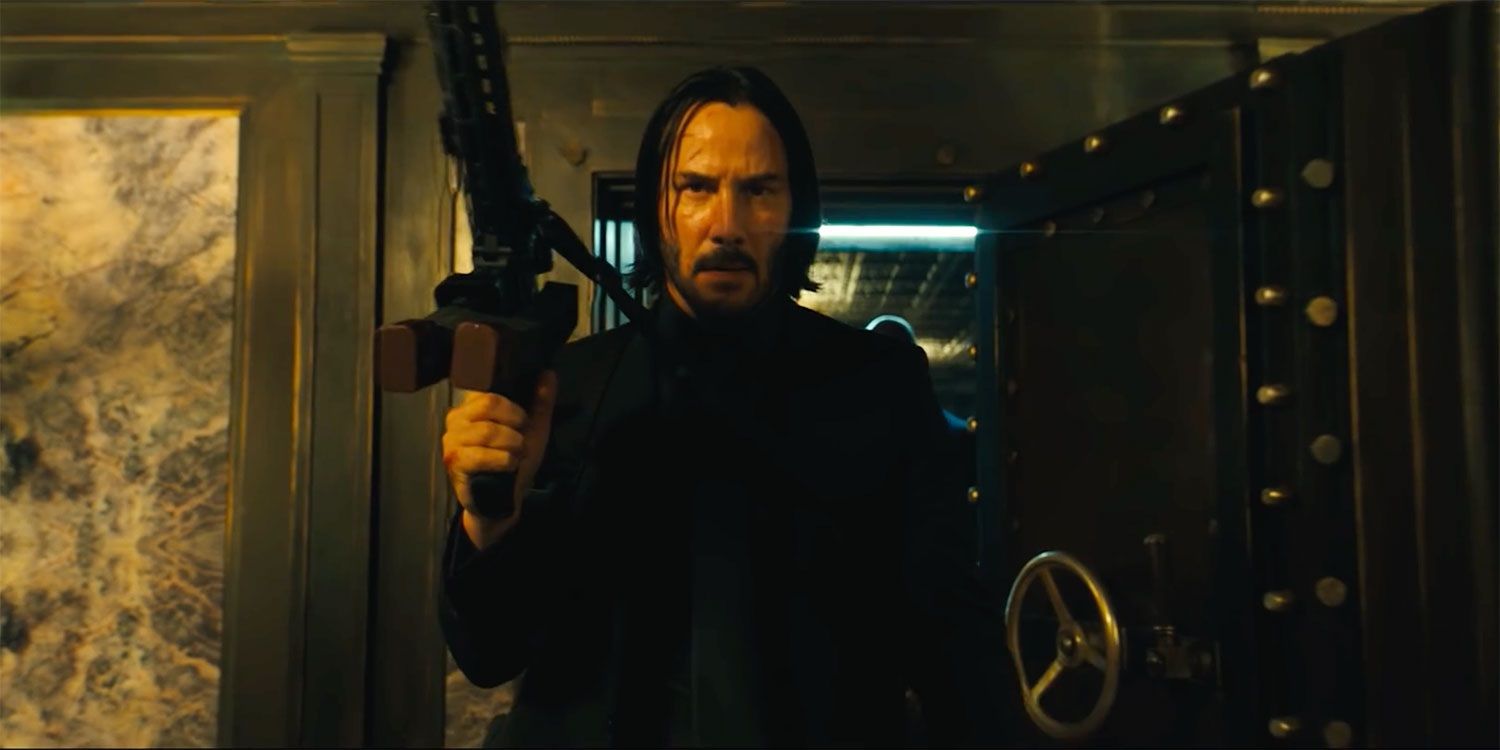
4 John Wick: Chapter 3 – Parabellum (7.4)
Following on from the shocking cliffhanger ending of the second John Wick movie, New York’s deadliest hitman begins the third movie – subtitled Parabellum – with every assassin in the world gunning for his head.
As seen by the critical panning of The Matrix Revolutions, third movies are often where franchises start to falter. But by continuing to expand the series’ worldbuilding and offering up a series of increasingly exciting action sequences, Parabellumkept John Wick fans satisfied.
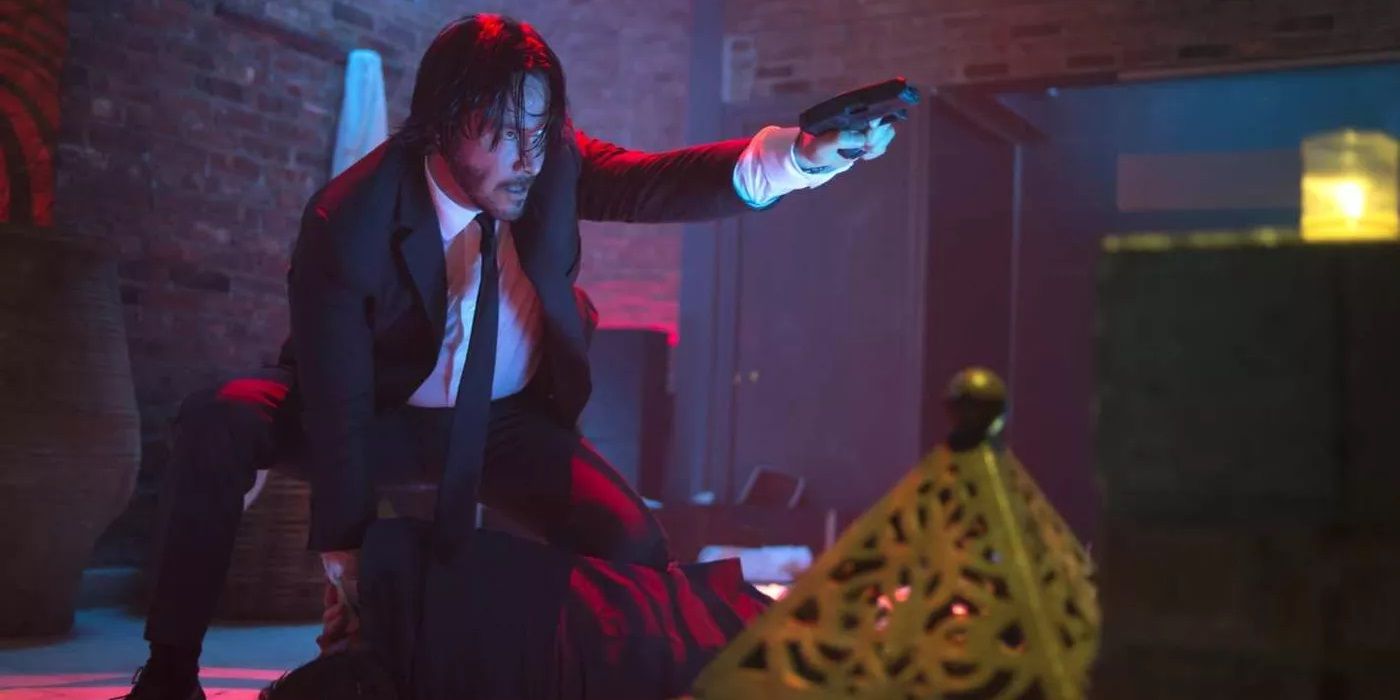
3 John Wick (7.4)
Drawing inspiration from film noirs and spaghetti westerns, John Wick tells the masterfully simplistic story of an ex-hitman returning to action to avenge his murdered puppy with serious stylistic gusto.
It’s safe to say that Reeves’ career wouldn’t be where it is today without John Wick. This is the movie that made audiences fall back in love with Reeves. After it launched a franchise, the actor’s stardom mirrored that of the character: “Yeah, I’m thinking I’m back!”
2 John Wick: Chapter 2 (7.5)
After killing half the gangsters in New York on his way to avenge his puppy in the first John Wick movie, Baba Yaga heads to Rome in the sequel and finds himself with a hefty bounty on his head.
With just as much slick style as the first movie and much larger-scale worldbuilding, John Wick: Chapter 2 managed to satisfy as a follow-up to its sleeper hit predecessor.
1 The Matrix (8.7)
At the beginning of the first Matrix movie, Reeves is a bored office worker living a mundane existence in what he believes to be the real world. He’s shocked to discover that humanity’s entire reality is just a VR experience created by machines in the future to distract humans while they use their bodies as living batteries – and he’s “The One” prophesized to save the human race.
More than a full point ahead of the second-ranking entry, The Matrix is Reeves’ top-rated action movie by far. While it drew influence from Ghost in the Shell and Alice’s Adventures in Wonderland, the Wachowskis’ sci-fi epic is a fiercely original movie that captured the zeitgeist when it hit theaters in 1999.
Warning: This article includes spoilers for No Time to Die.
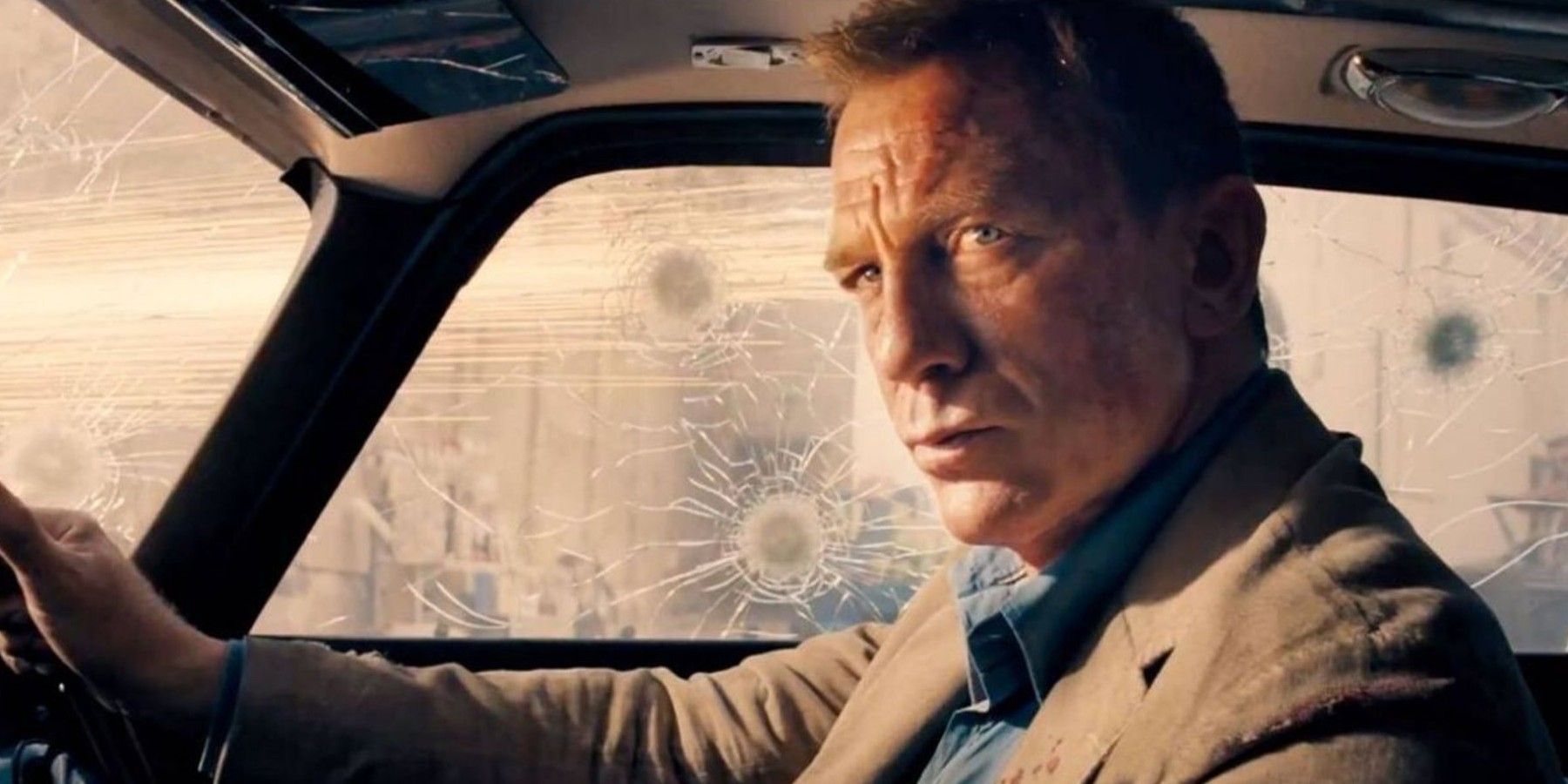
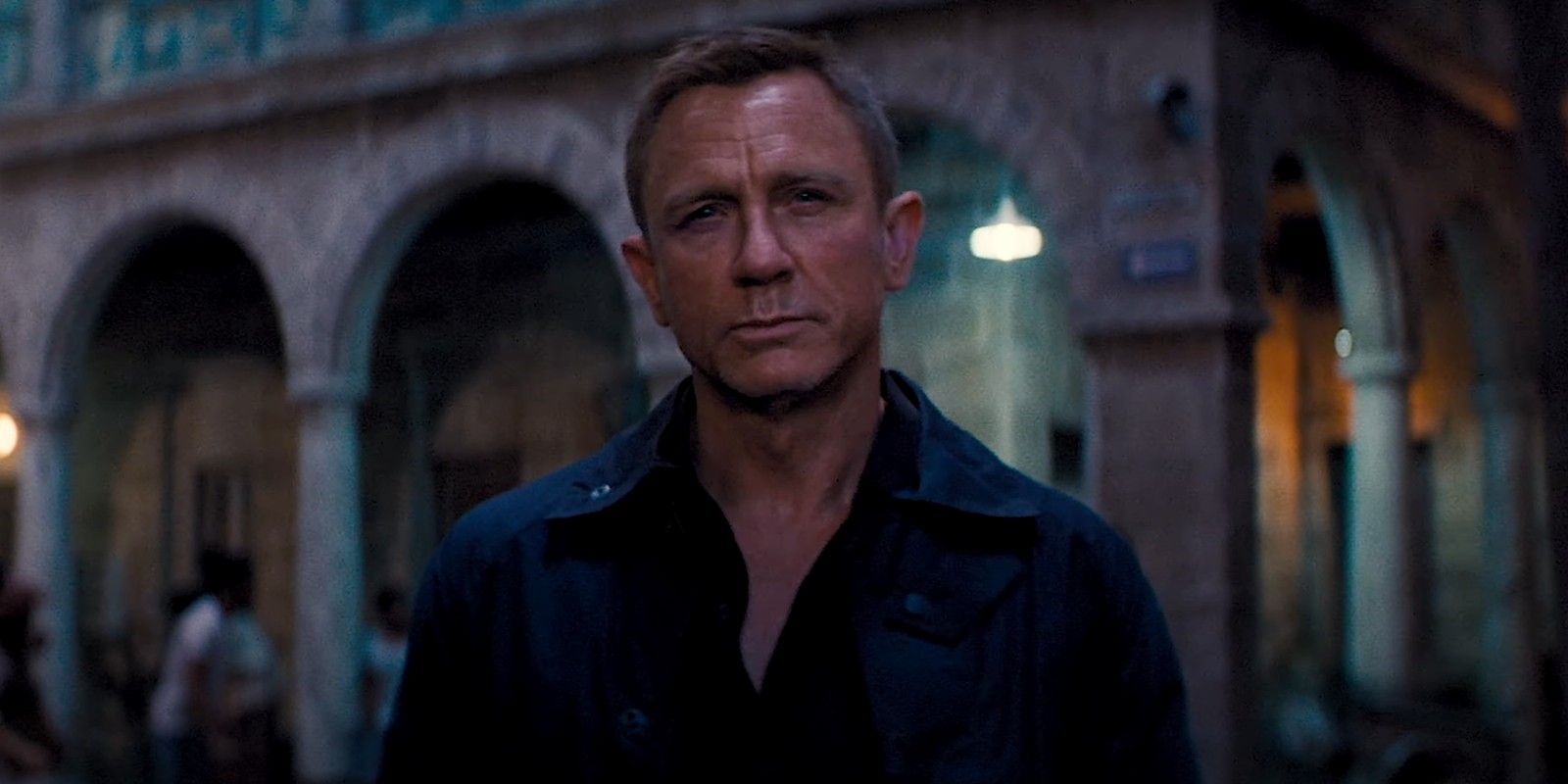
Daniel Craig’s widely celebrated stint as James Bond has come to a hugely satisfying conclusion with the release of No Time to Die. From the relentless opening fight scene of Casino Royale, Craig established his take on the 007 character as a decidedly dark one.
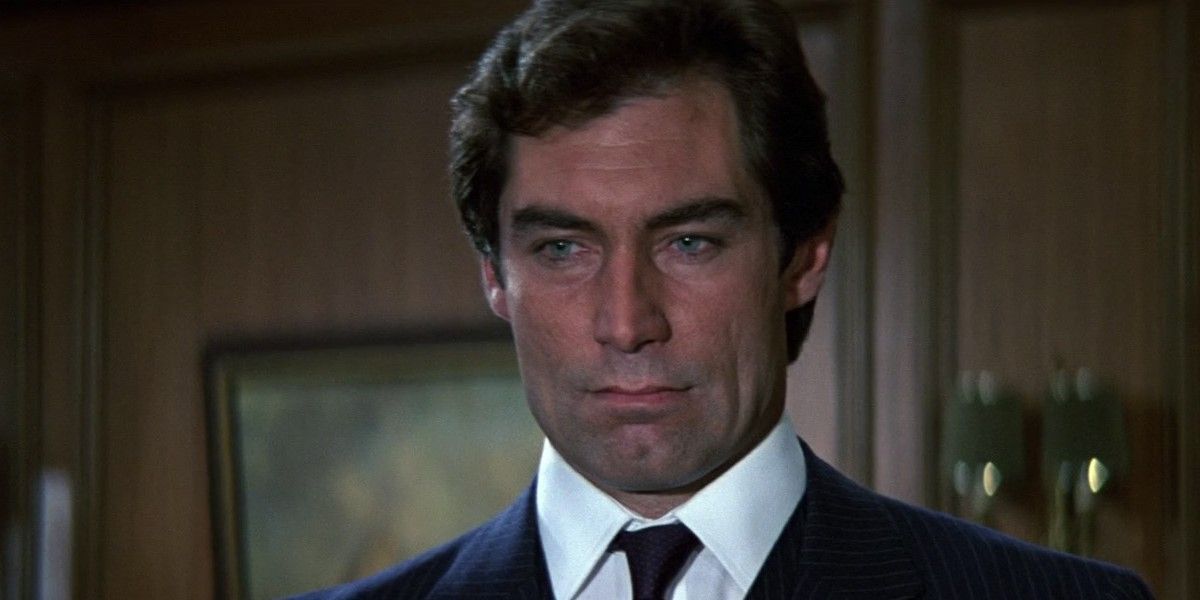
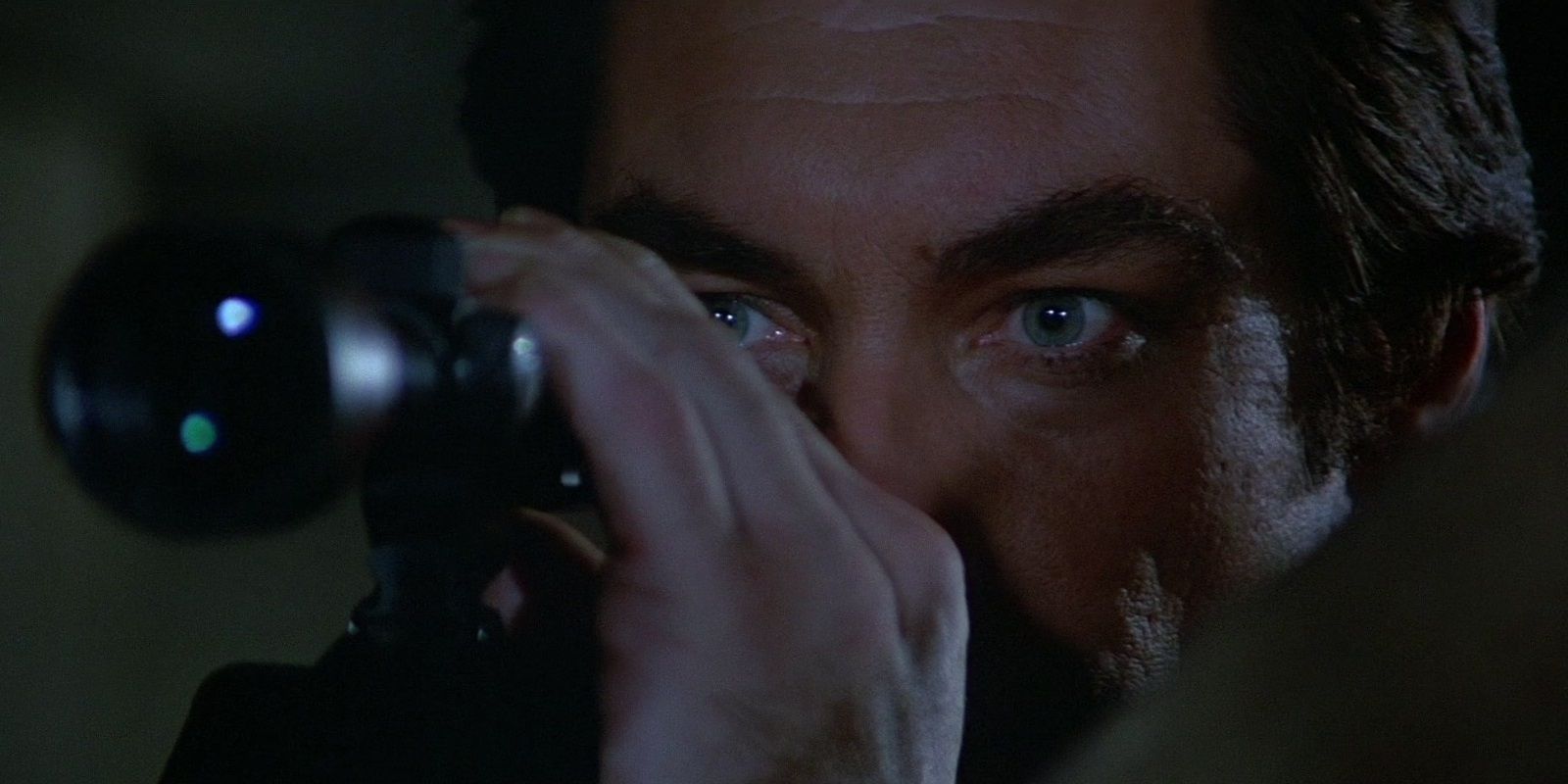
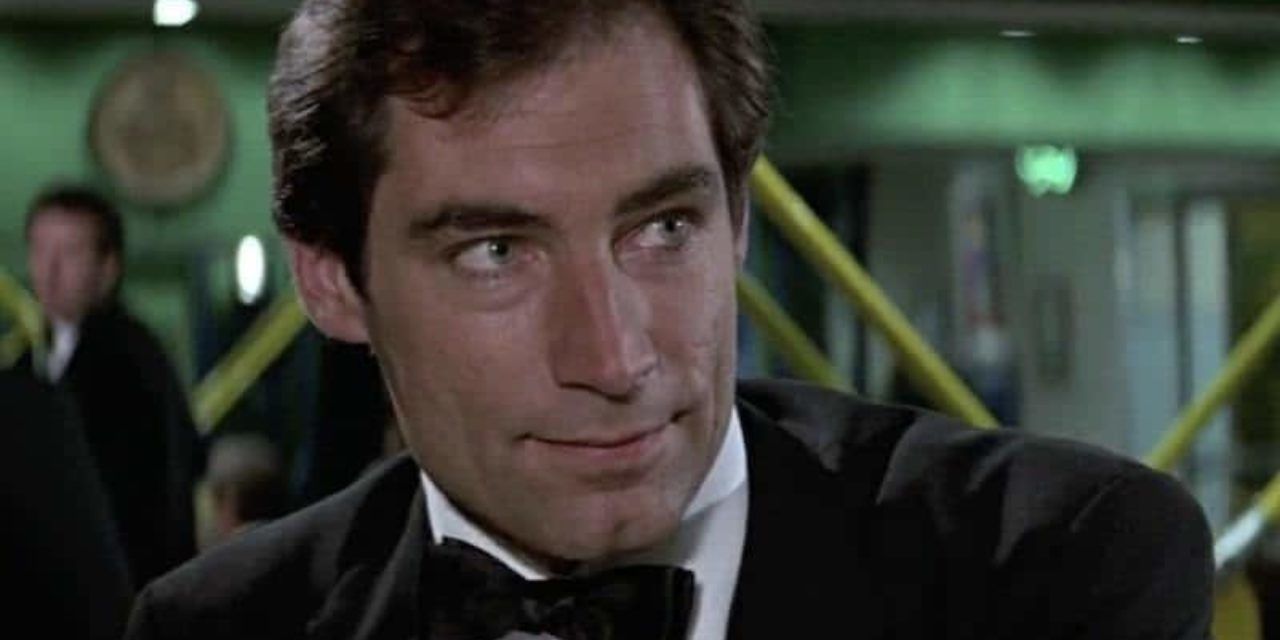
But he faces some stiff competition for the title of the darkest take on Bond. In Timothy Dalton’s brief but memorable tenure in the role, his Bond’s troubled psychology and hard-hitting violence marked a refreshingly grim change of pace following the slapstick-flavored Roger Moore era.
10 Craig: Casino Royale Pushed The Boundaries Of The PG-13 Rating
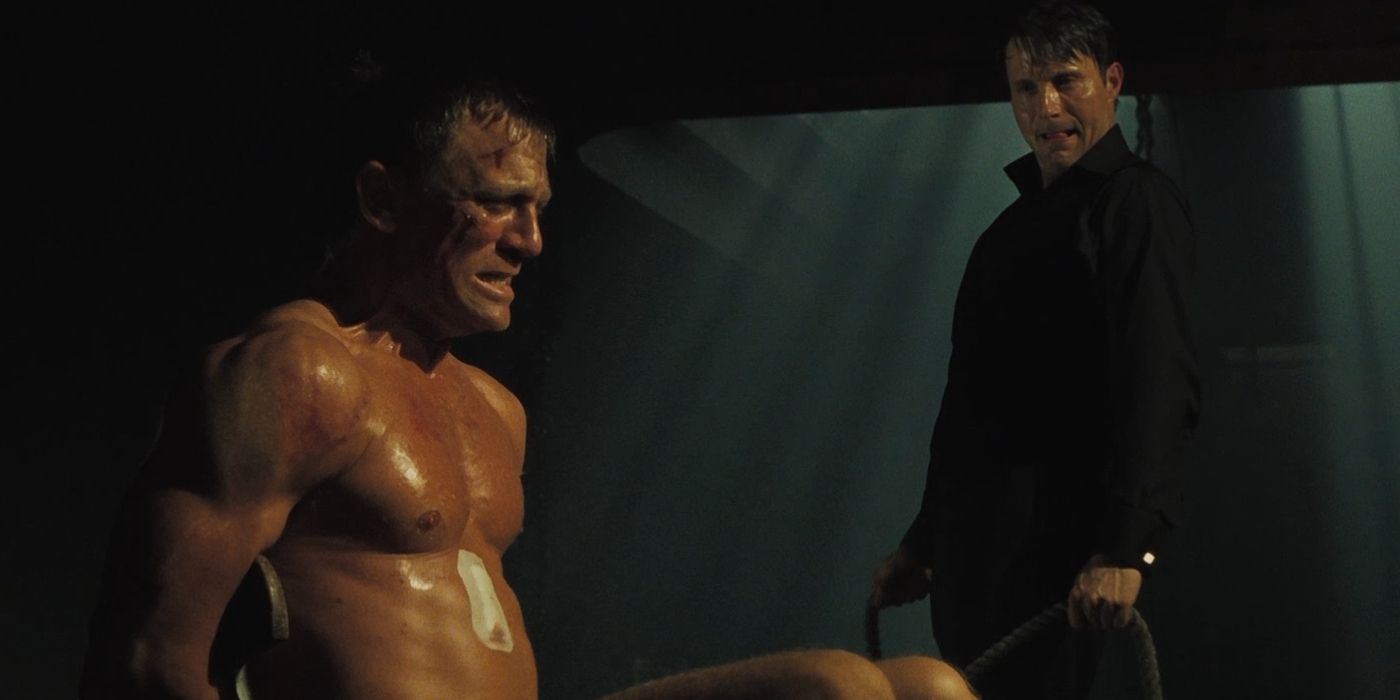
The violence in Casino Royale seriously pushed the boundaries of the PG-13 rating. The fight scenes are brutal, like when Bond beats two goons to death in a stairwell (and traumatizes Vesper in the process), and fans were shocked by the stomach-churning torture scene involving a seatless chair.
9 Dalton: He Went On A Personal Revenge Mission To Kill A Drug Lord
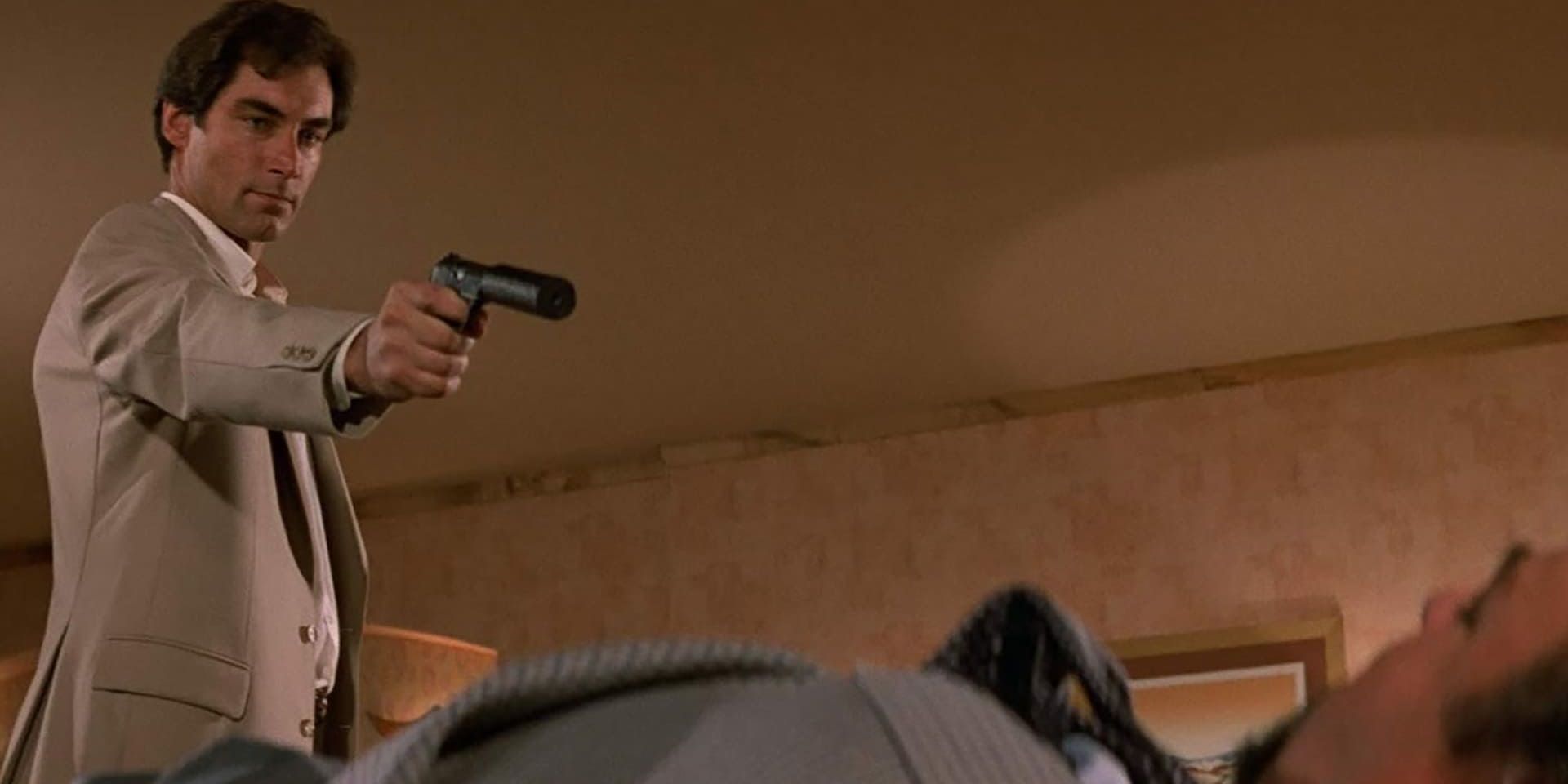
After Dalton’s Bond was introduced in The Living Daylights, his second and final movie License to Kill explored the full extent of his dark side. The movie’s central conflict is basically 007 versus Scarface.
While most Bond movies revolve around an official MI6 investigation, License to Kill sees Bond going on a personal revenge mission. When Felix Leiter’s wife is murdered by drug kingpin Franz Sanchez, Bond drops everything to go on a vengeful rampage.
8 Craig: He Suffers From PTSD
In the opening sequence of Skyfall, after Bond has chased a perp onto the roof of a moving train, Moneypenny accidentally shoots him and he drops 300-odd feet from a bridge into a river below.
After this incident, Bond is shown to suffer from severe PTSD. In the second act of the movie, he needs months off and extensive therapy before he can return to the field. In No Time to Die, he’s shown to still be reeling from Vesper’s untimely passing.
7 Dalton: He’s Stone-Cold
Following the wackiness of Roger Moore’s Bond, which got the franchise stuck in a rut, the sobering cold-heartedness of Dalton’s Bond provided a sharp counterpoint that dragged the franchise out of that rut.
Dalton made a conscious decision not to play the character with an endearing warmth. His emotional detachment feels more realistic and his coldness is fascinating.
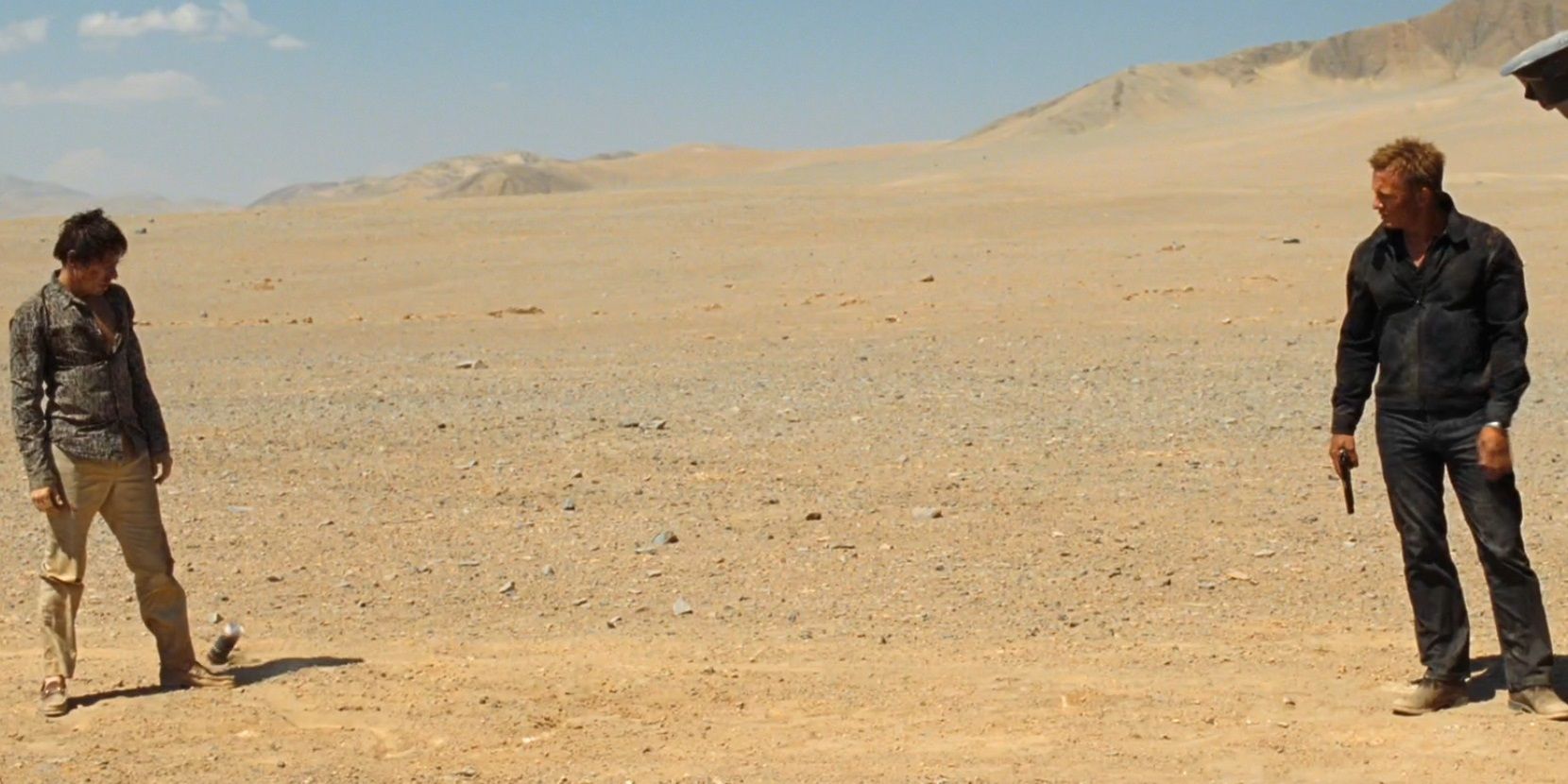
6 Craig: He Left Dominic Greene In The Desert With Nothing But A Can Of Motor Oil
After the critical acclaim of Casino Royale, the response to Quantum of Solace was much more negative. Many reviews noted that it felt more like a generic action thriller than a Bond movie.
Still, it culminates in a delightfully gruesome death scene for the villain, Dominic Greene. 007 decides to spare his life, but that turns out to be even crueler than killing him. He leaves Greene stranded in the scorching desert with nothing to drink but a can of motor oil. It doesn’t get much darker than that, in spite of the terrible things Greene did to deserve it.
5 Dalton: He Doesn’t Hesitate To Use His License To Kill
One of the most recognizable motifs of the Bond franchise is 007’s “license to kill,” which gives him free rein to murder whoever he wants. Dalton’s Bond uses this license a lot more liberally than the other Bonds. He kills as second nature, barely registering his own morose actions.
The reason why Dalton’s second Bond movie is called License to Kill is that he utilizes it a lot more than his peers. In that movie, he uses his license to kill to murder a bunch of people that he has a personal problem with, not official enemies of MI6.
4 Craig: He Has A Short Temper
Traditionally, Bond isn’t a very angry character. Instead, he responds to situations he doesn’t like with wry cynicism. One of the things that set Craig’s Bond apart is that he has a short temper.
When he’s interrogating Blofeld, it doesn’t take much pushing to get him to snap and strangle him. When Safin infects him with the Heracles virus, meaning he can never hold his daughter or the love of his life ever again, he impulsively shoots the villain dead. Craig’s Bond has always been defined by his rage.
3 Dalton: He’s A Rogue Agent
Craig’s Bond was known to bend the rules every now and then to suit his investigation, but he always remained loyal to Her Majesty’s Secret Service and its protocols.
In License to Kill, Dalton’s Bond left MI6 behind and went rogue. Throughout the movie, he operates by his own set of rules, more like a vigilante than a secret agent.
2 Craig: He Made The Ultimate Sacrifice
By far the biggest surprise in No Time to Die is the death of James Bond. After contracting Safin’s deadly virus without enough time to get off the island, Bond grimly determines that he won’t make it out of this one alive. He reopens the blast doors and waits for the nukes to wipe him out along with the bioweapons plant.
This shocking twist made Craig the first 007 to be killed off on-screen. For such a monumental moment, it didn’t disappoint. Bond accepted death with grace and went out in morbid style.
1 Dalton: He Dug Into Bond’s Psychology
For the sake of making 007 a likable action hero, most Bond movies gloss over the fact that he’s a remorseless killer who takes human lives to earn his keep. Dalton dug deeper into the darker side of Bond’s psychology than any of the other actors.
The Bond written by Ian Fleming in the source material was tormented by his dark deeds, and Dalton was the first actor to bring that version of the character to the screen.
After Star Wars became the highest-grossing movie of all time with a pulpy, lighthearted space adventure, its 1980 sequel The Empire Strikes Back was notable for taking a surprisingly dark turn.
Luke has a sinister Force vision in a cave before being hopelessly defeated by Darth Vader, who, to top it all off, reveals that he’s Luke’s biological father. Plus, Han is frozen in carbonite. But despite the film’s markedly grimmer tone, Empire still has plenty of the Star Wars saga’s signature humor.
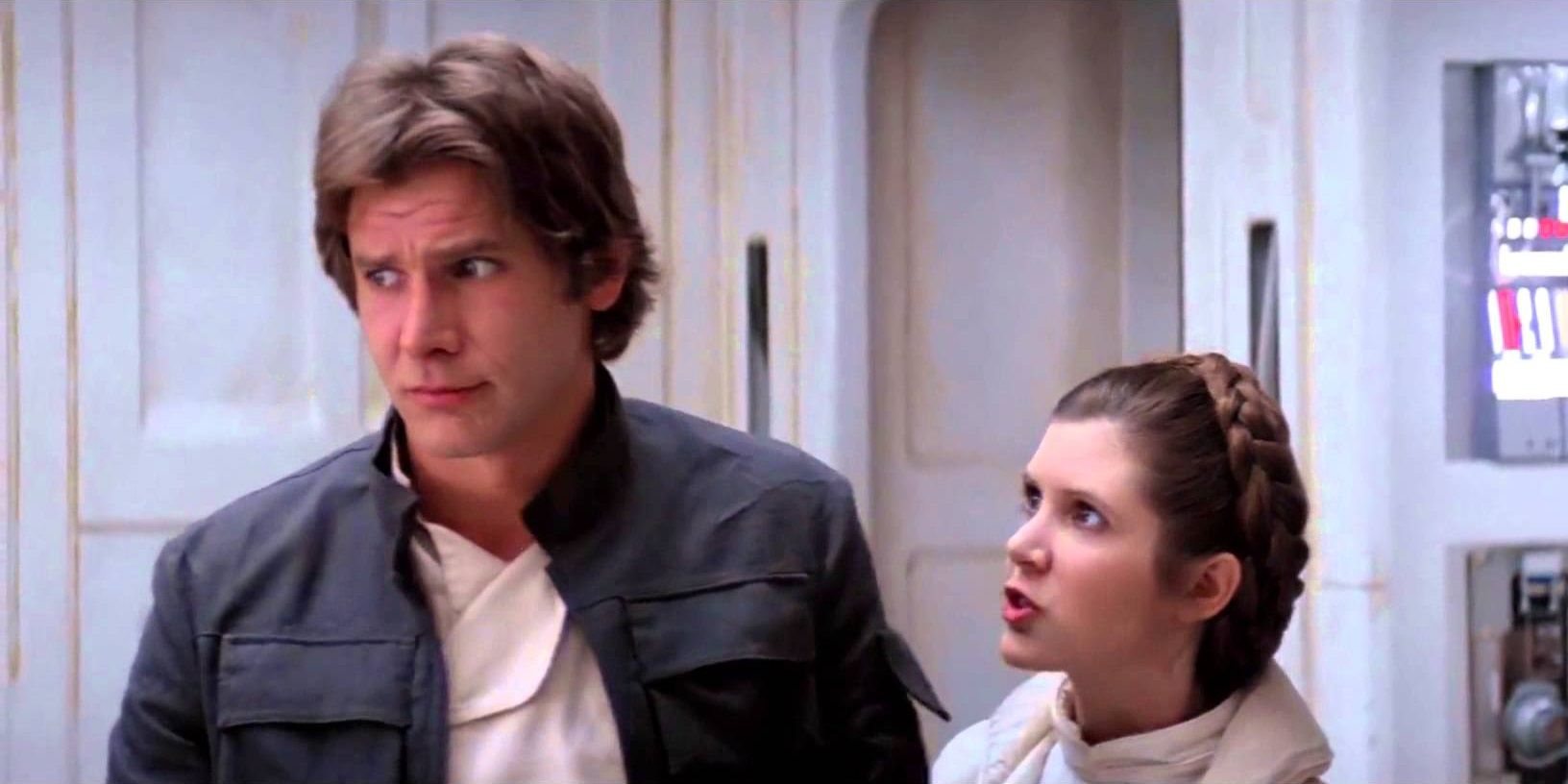
10 “Laugh It Up, Fuzzball!” - Han Solo
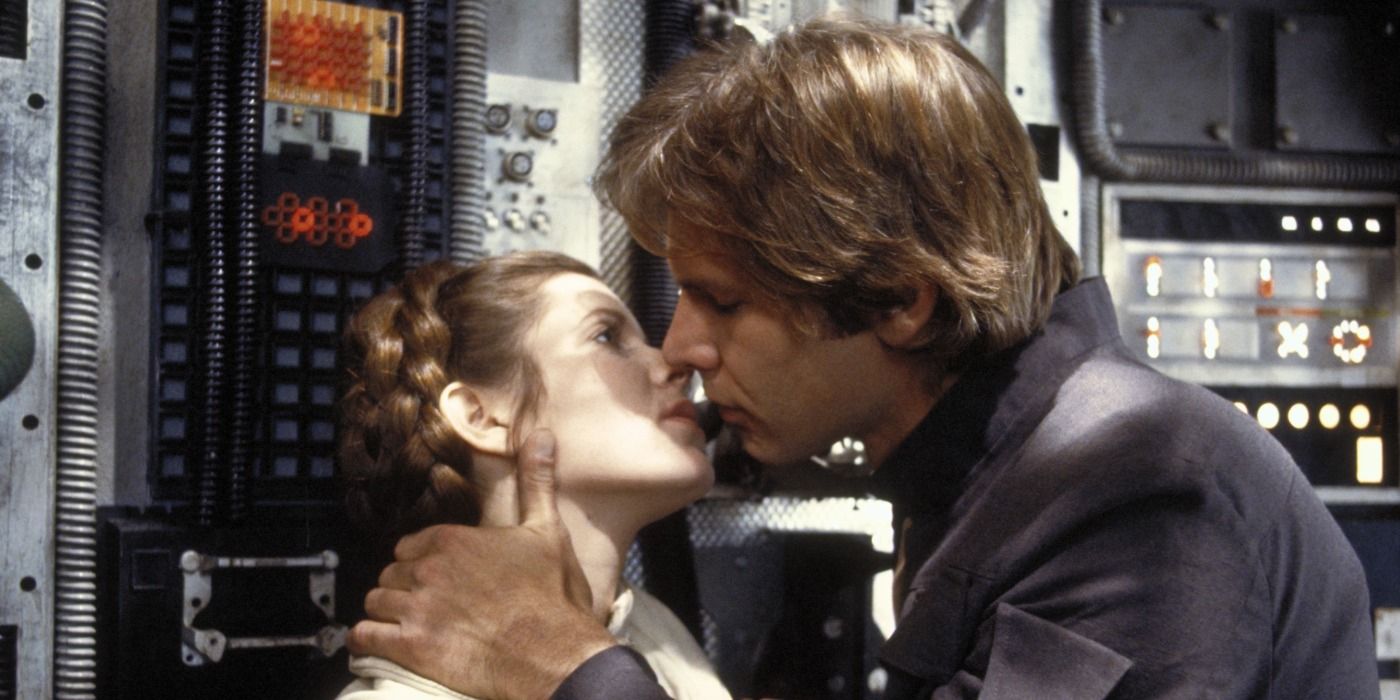
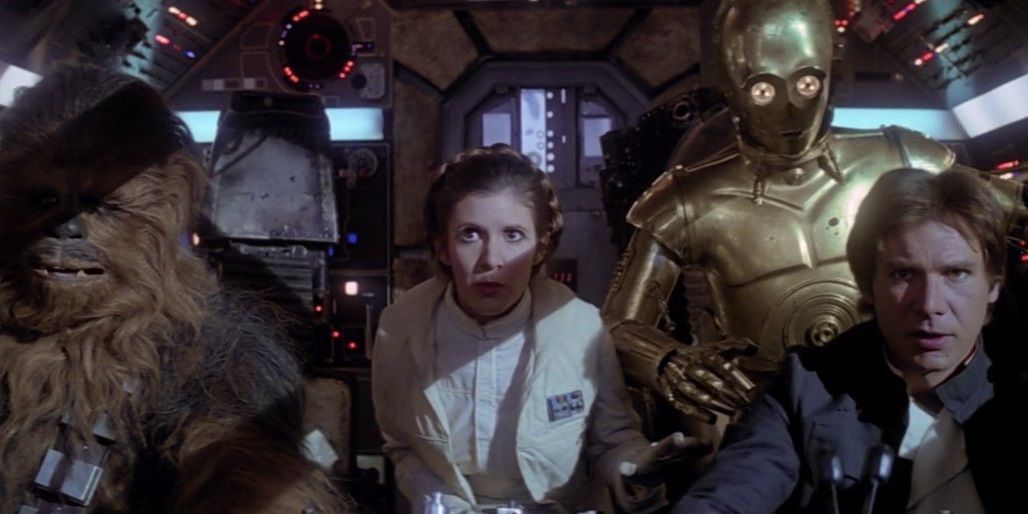
Throughout the opening scenes of The Empire Strikes Back, Han and Leia bicker back and forth to mask their romantic feelings for one another. When Leia hits Han with a particularly well-constructed four-word insult, his co-pilot Chewbacca laughs hysterically.
Han seems to be even more offended by Chewie’s laughter than the insult itself. Perhaps after years of loyal companionship, he expected Chewie to stand up for him if somebody were to mock him.
9 “You Do Have Your Moments. Not Many, But You Do Have Them.” - Leia Organa
When Leia experiences the rare pleasure of being impressed by Han’s underdog triumphs, she concedes to him that he does have his moments – just not a lot of them.
The flirtatious barbing between Han and Leia in Empire seems to be the work of co-writer Leigh Brackett, who wrote similar dynamics for Marlowe and Vivian in The Big Sleep and Chance and Feathers in Rio Bravo.
8 “No Disintegrations.” - Darth Vader
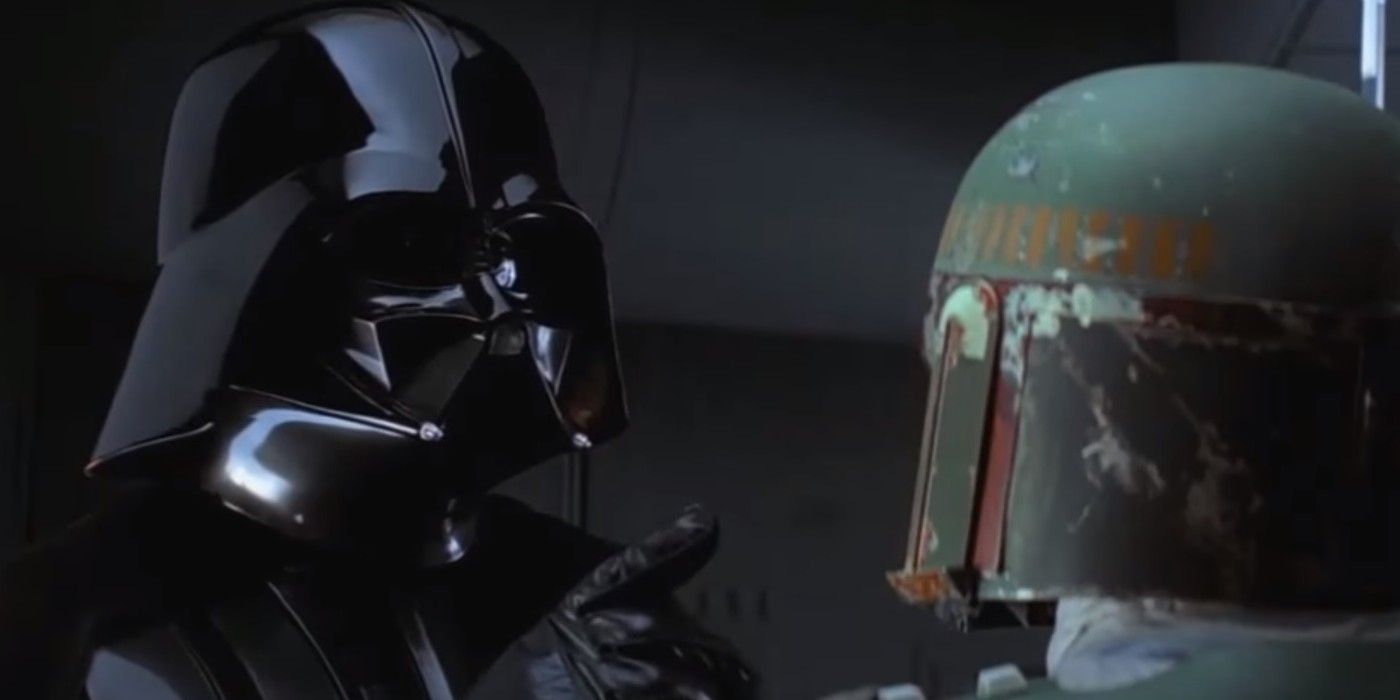
When his Imperial forces fail to track down the Millennium Falcon, Darth Vader brings in some outside hires: a squad of bounty hunters led by Boba Fett. He tells Fett, “I want them alive – no disintegrations.”
There’s a brilliant ironic bite in Darth Vader, the most fearsome warlord in the galaxy, telling Boba Fett to take it easy. This one-liner made the bounty hunter an instantly memorable side villain.
7 “I Thought They Smelled Bad On The Outside!” - Han Solo
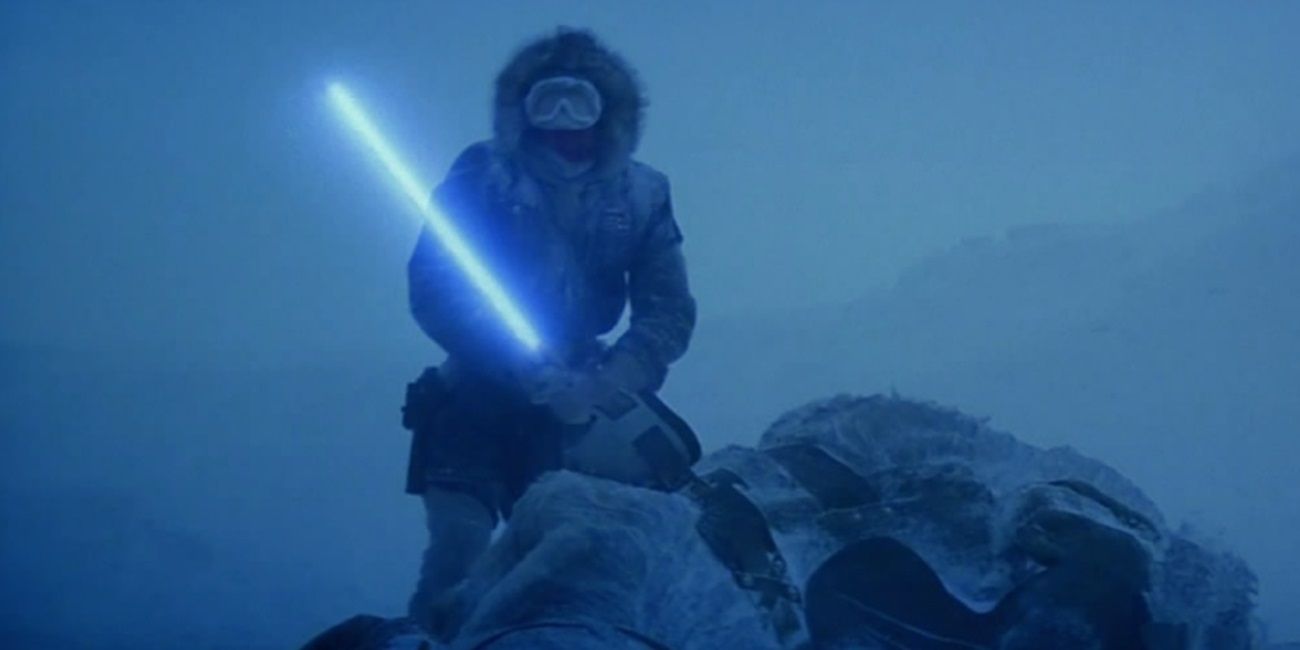
Han ventures out onto the snowy plains of Hoth in the dead of night when Luke fails to return from his patrol. He finds his Jedi pal unconscious in the snow and cuts open his dead tauntaun to give Luke a warm place to spend the night.
Despite being stranded in an icy desert in the middle of the night, camping out inside an alien, Han still has the energy to fire off a snappy quip about the stench of the tauntaun’s insides.
6 “This Deal’s Getting Worse All The Time.” - Lando Calrissian
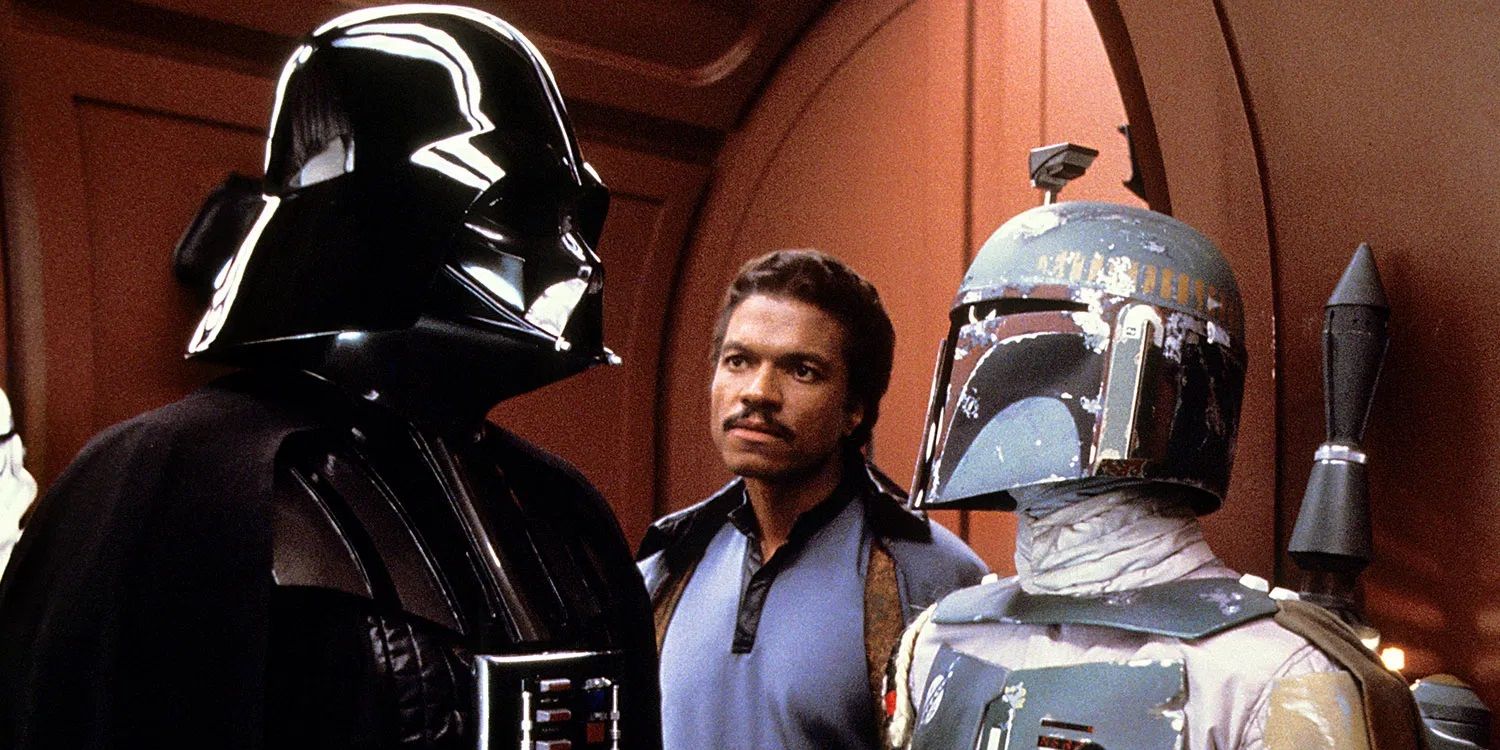
After betraying Han and Leia for a deal with Darth Vader, Vader keeps changing that deal and Lando realizes he chose the wrong side. Billy Dee Williams nails the one-liner delivery about his deal with Vader “getting worse all the time.”
It’s a wry response to Vader exercising his absolute power and constantly altering his deal with Lando to suit himself because he knows Lando is no match for his Sith powers. All Lando can do is offer up an exasperated, self-effacing quip like John McClane crawling through the vents of Nakatomi Plaza.
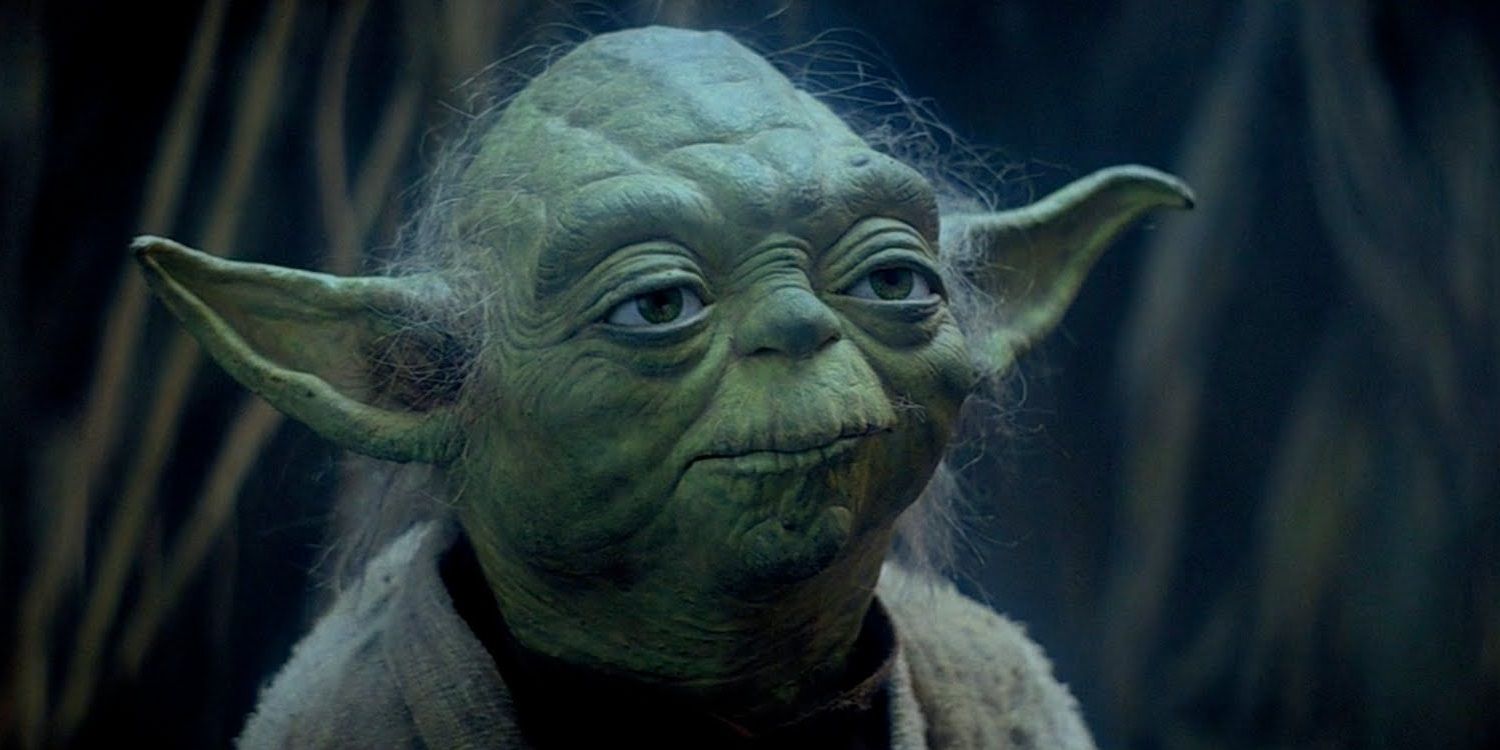
5 “Mud Hole? Slimy? My Home, This Is!” - Yoda
Obi-Wan sends Luke to the Dagobah system in search of Yoda, the wise Jedi Master who taught him. When he gets there, he meets Yoda, who initially pretends to be a local troublemaker who will lead Luke to the legendary Jedi warrior he seeks. Little does Luke know, he is the Jedi legend himself.
Yoda has no boundaries with Luke, pilfering his dinner and fighting with his droid, but he’s still offended by Luke’s blunt description of his neighborhood as a slimy mud hole.
4 “Why, You Stuck-Up, Half-Witted, Scruffy-Looking Nerf-Herder!” - Leia Organa
During one of Han and Leia’s classic arguments on the Hoth base, Han suggests that Leia is only bickering with him because she really likes him.
This prompts Leia to fire off her harshest insult yet, calling Han a “stuck-up, half-witted, scruffy-looking nerf-herder!” Han’s dry response points out which specific part of Leia’s insult offended him the most: “Who’s scruffy-lookin’?”
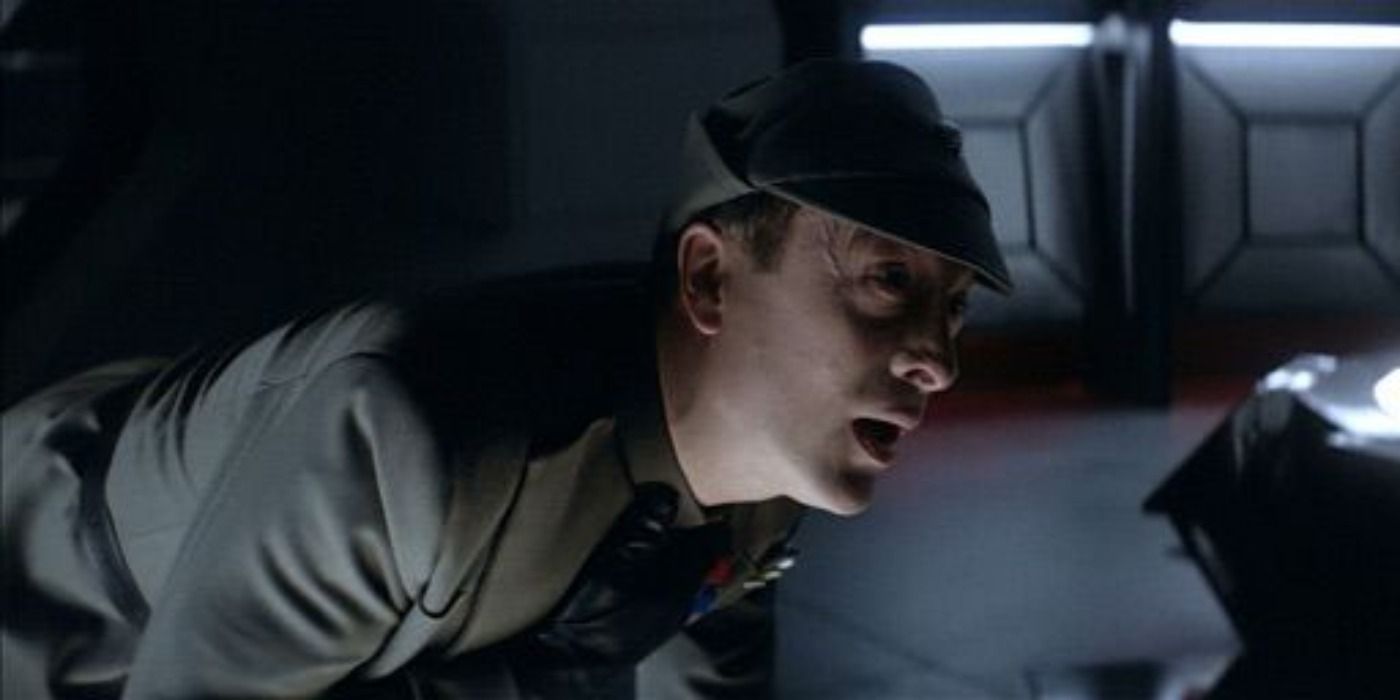
3 “Apology Accepted, Captain Needa.” - Darth Vader
After Captain Needa offers to take personal responsibility for the Imperial fleet’s failure to capture the Falcon, Empire viewers know his days are numbered. He goes off to give a full and frank apology to Darth Vader.
The next time Vader is on-screen, he’s Force-choking the insolent Needa to death and sardonically quipping that he accepts his apology.
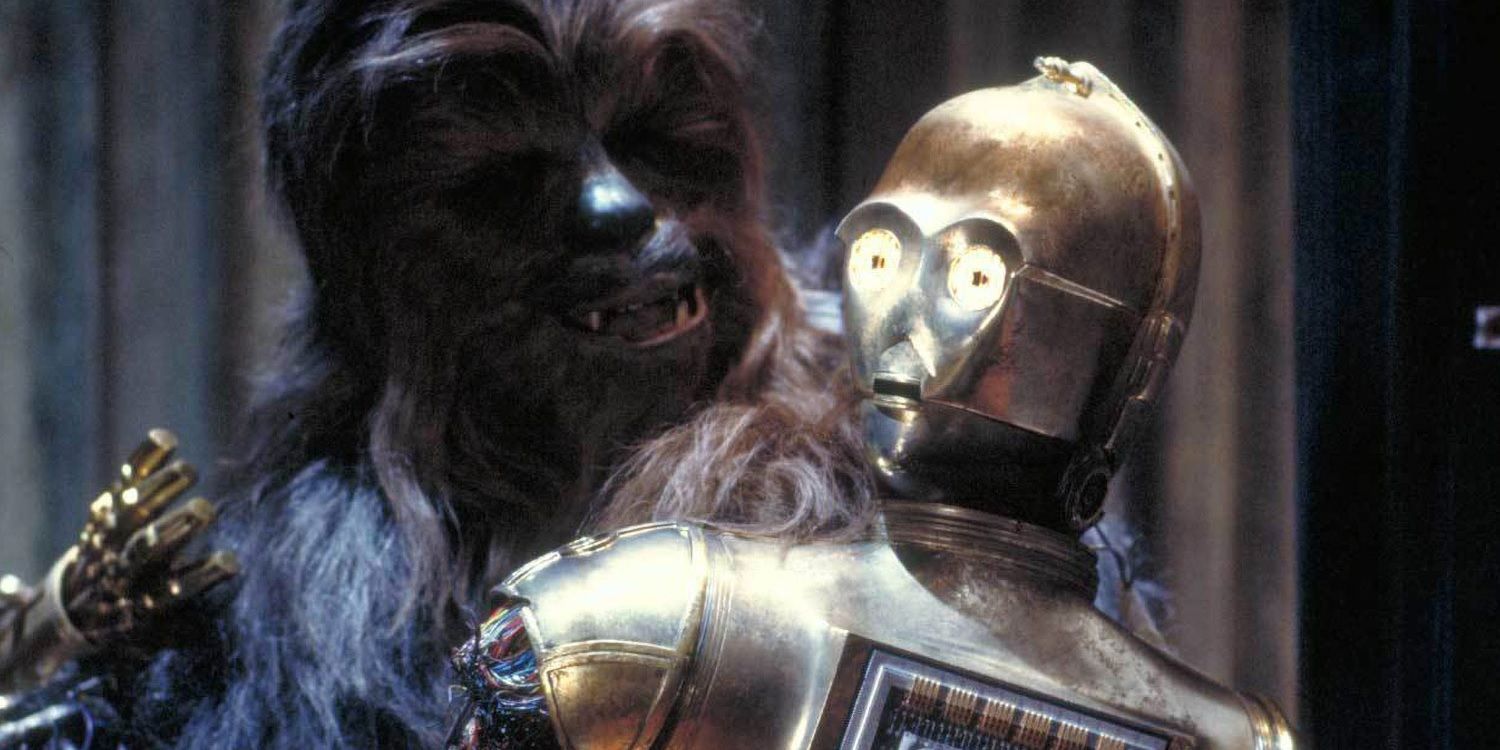
2 “I’m Standing Here In Pieces And You’re Having Delusions Of Grandeur!” - C-3PO
Upon arrival in Cloud City, C-3PO is attacked and dismantled by Ugnaughts. Chewie, being the wholesome soul that he is, saves Threepio and brings his parts back onto the Falcon, where R2-D2 is using his gadgets to save everybody’s lives.
Threepio telling Artoo that he has “delusions of grandeur” once again shows that he underestimates his little astromech companion. Without Artoo, the escape from Cloud City would’ve failed miserably.
1 “Not Entirely Stable? Well, I’m Glad You’re Here To Tell Us These Things.” - Han Solo
When Han and Chewie land the Falcon in what they think is a cave (but turns out to be the mouth of a “space slug”), the whole ground shakes. C-3PO tells Han, “Sir, it’s quite possible this asteroid is not entirely stable.”
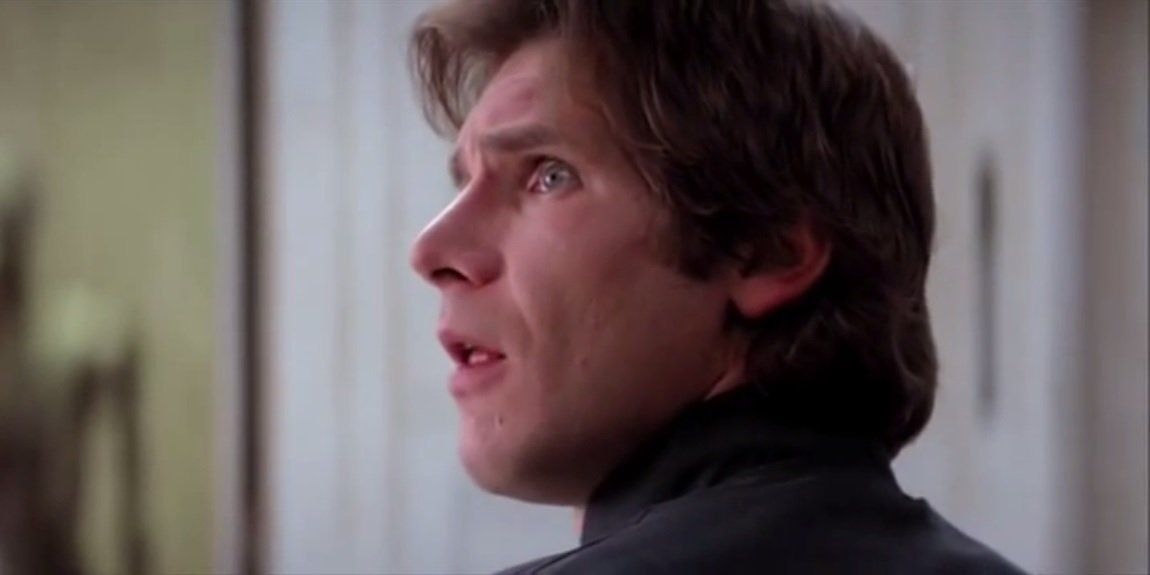
Han’s hilariously sarcastic response about the obviousness of Threepio’s observation is bolstered by Harrison Ford’s pitch-perfect deadpan delivery.
Two of the most formidable Avengers in Marvel Comics, the Incredible Hulk and the Mighty Thor, have come together to face off in original fan art from Image Comics talent Joe Palmer. As some of Marvel's earliest heroes, the Hulk and Thor have a long, seasoned history when it comes to both teaming up and facing off to decide who's stronger by trading blows.
There aren't many Marvel match-ups quite as contested as the feud between Asgardian God of Thunder Thor and freak of science the Hulk. Outside of the comics, the ever-expanding Marvel Cinematic Universe has played heavily into the famous Hulk/Thor rivalry, which has eventually grown into a close friendship between the two heroes. While writer and director Taika Waititi's 2017 fantasy comedy ThorRagnarok was a reinvention of Thor's own established mythology, a good chunk of that film's popularity came directly from the back and forth between Chris Hemsworth's Thor and Mark Ruffalo's Bruce Banner/Hulk.
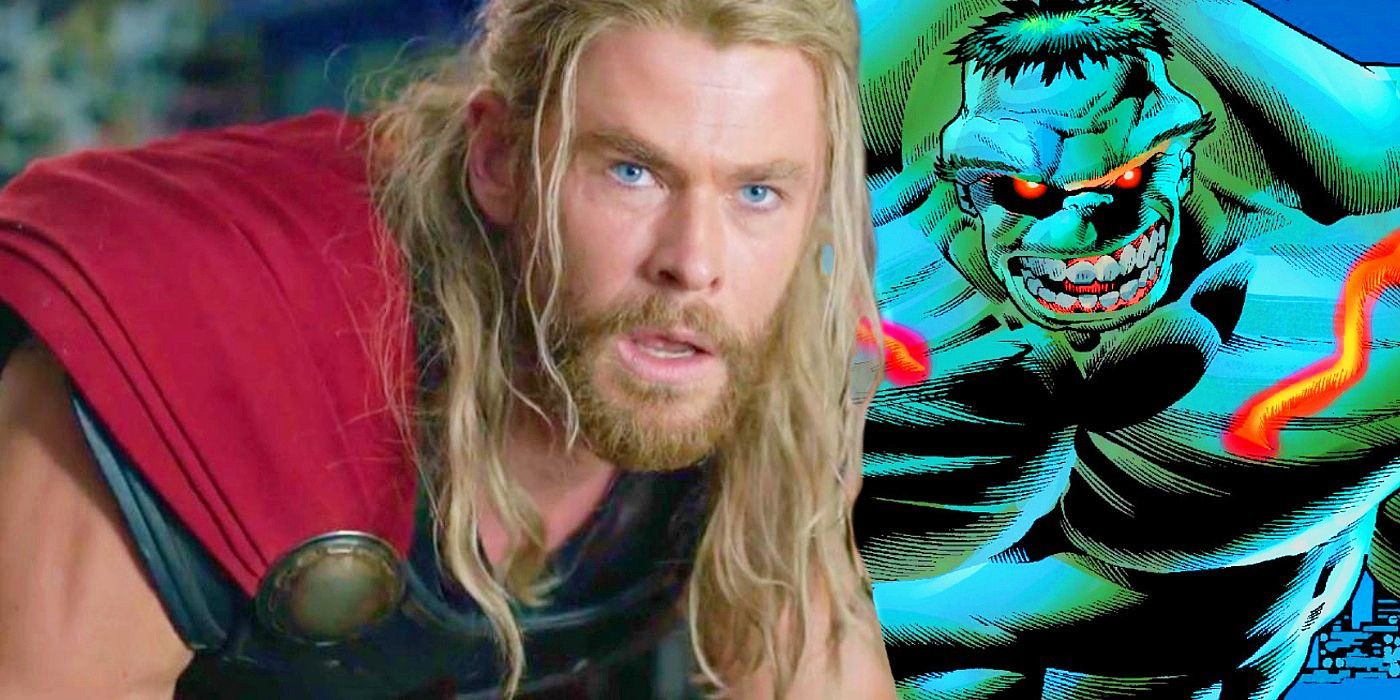
Professional Image Comics artist Joe Palmer has taken to Twitter to share his own interpretation of a battle between the Marvel titans. Residing within the United Kingdom, Joe is the artist behind Image Comics' Write It In Blood and Time Before Time, two titles which examine humans surviving through drastic situations and environments. Though the Hulk is generally a larger-than-life character, Joe's fan art noticeably depicts a much larger Hulk who towers over a less imposing Thor. Paling in comparison to his enraged opponent, all the proclaimed God of Thunder can muster is a weak, "Oh Darn." With the Hulk's seasoned history of taking down the strongest opponents, it's not surprising Thor is rather anxious to take on the green rage monster. Included with the art is the phrase "No Banner Only Hulk!", a line famously used within the myriad Incredible Hulk comics, cartoons, shows, and even cinematic depictions of the character.
Marvel's wildly successful Immortal Hulk run has only seen the Jade Giant grow stronger, and while Thor is currently the All-Father of Asgard, countless stories have drilled home the idea that when it comes down to a contest of pure strength, Hulk will always triumph (after all, he is the Strongest One There Is.) Palmer's art embraces this inevitable Hulk vs Thor conclusion, turning the moment where the God of Thunder recognizes he's outmatched into a comic tableau.
The piece is a perfect fit for some of Marvel's more humorous projects, such as the non-canon anthology Strange Tales or the recent artist showcase Marvel, so fans shouldn't be surprised to see Palmer handle the strongest Avengers sometime soon, even if Thor fans might not love how outmatched this art suggests he is against Hulk.
Michael Keaton is regarded as one of the greatest menacing Caped Crusaders, albeit using some controversial fighting tactics, so how many people did he actually kill in Batman and Batman Returns? Tim Burton and Michael Keaton’s team-up was extremely controversial among comic-book fans who didn’t believe the Pee-wee’s Big Adventure director and comedy actor would understand the nuances of Bruce Wayne. Instead of taking on the more campy direction of Adam West’s notable Batman, Burton and Keaton made the superhero much darker, fully exploring the sinister nature of Gotham and tortured soul of Bruce Wayne.
In Batman (1989), Bruce Wayne faced the most notable Batman-foe of all time in Jack Nicholson's Joker. In Bruce Wayne’s call to action, he must stop the Joker from terrorizing Gotham with the help of Harvey Dent and Commissioner Gordon, while saving Gotham’s reporter and his new love-interest Vicki Vale. Keaton reprises his role in Batman Returns (1992), where Bruce Wayne dually faces the Penguin, a deformed man who rules a crew of Gotham’s terrorizing criminals from the sewers, and Catwoman, who vows to take revenge on Gotham’s corrupt corporate mogul Max Shreck.
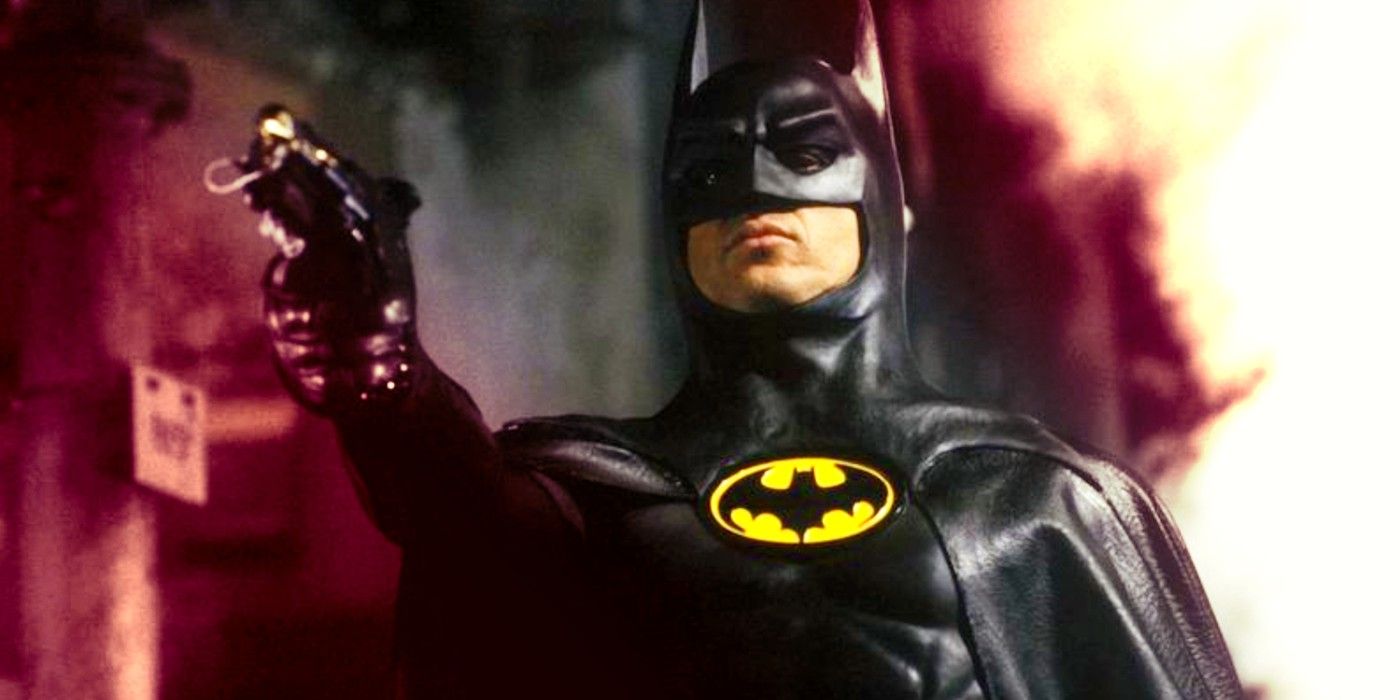
The fun of superhero movies and their villains is that the adaptations concoct rivalries by the villain rarely actually being killed by the hero. When a superhero like Batman kills citizens it is typically in self-defense, to save an innocent life, or to rid the world of a menacing evil. The rules on minimizing death have gotten pretty lenient in recent adaptations of the Caped Crusader, though Michael Keaton’s Batman had his own fair share of slain victims. According to a well-calculated count by Mr. Sunday Movies on YouTube, Keaton’s Dark Knight killed 17 people in Batman and only 3 in Batman Returns, for a total of 20 victims.
In Batman, Bruce Wayne ended up killing 16 of the Joker’s cronies, with the 17th kill being the Joker himself as he is launched off the side of a building. In Batman Returns, the kills done at the hands of Bruce Wayne are a jester he torches alive, a strongman he assists in being blown up, and the use of his bats to send the controversial Penguin falling to his death in the sewers. The first Batman count isn’t completely reliable considering many of the kills are unconfirmed offscreen or include a group of criminals in a building explosion, but it still amounts to a significant amount of mortal damage.
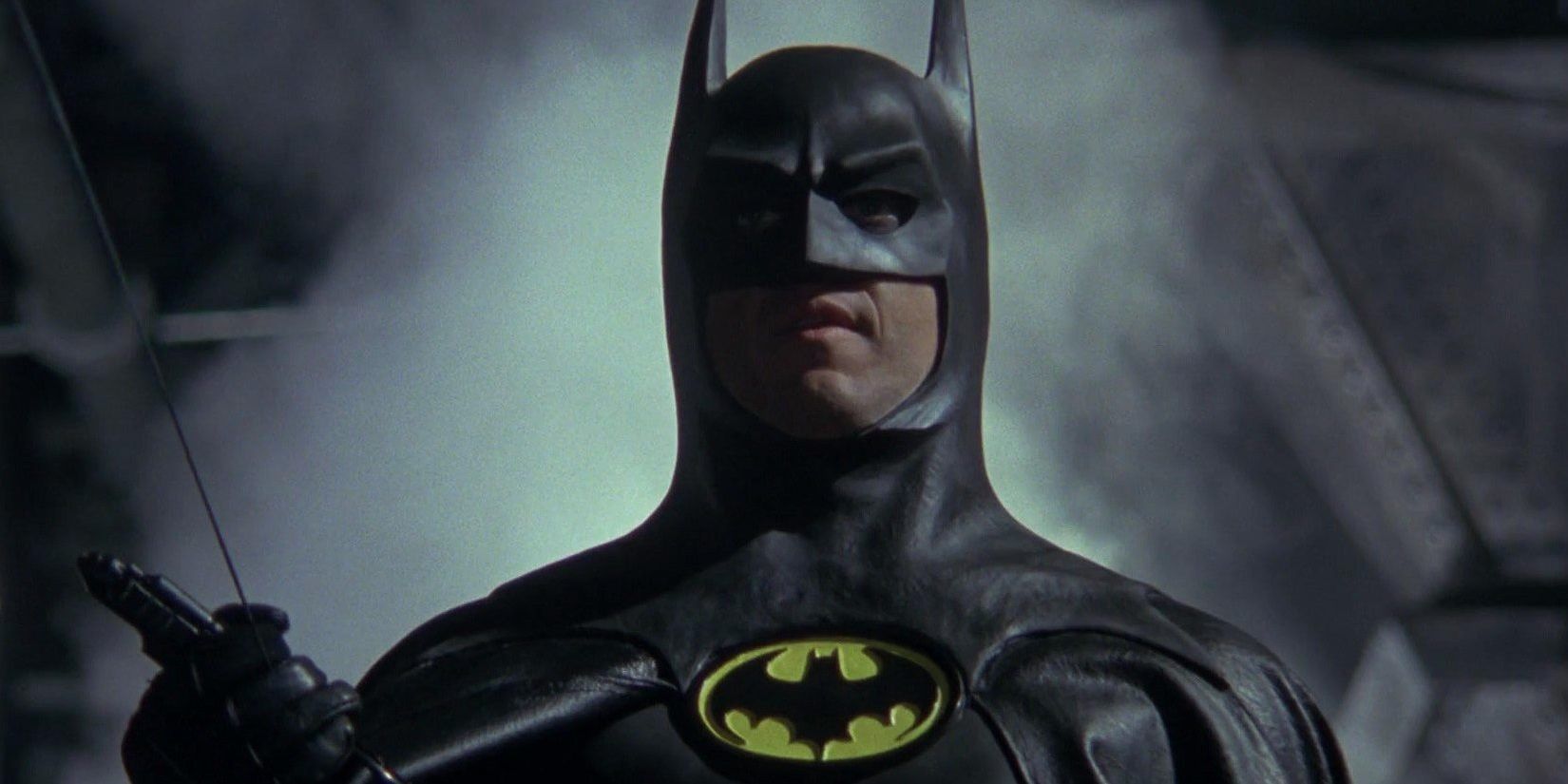
Aside from the early controversy about Burton and Keaton helming Batman, the duo’s movies remain subject to criticism over the lethal tactics and lack of hesitation for killing henchmen as easily as the actual villains. In most superhero lore, the henchmen aren’t as crucial to kill as the main villain; they are typically subdued and apprehended rather than murdered by the hero. In Tim Burton’s Batman movies, the Caped Crusader uses machine guns, bombs, and alternate explosives to take out as many henchmen as possible even if they aren’t directly in the vicinity of the villain. Typically, hand-to-hand combat is more acceptable for heroes and leads to less lethal means, saving the criminals to see justice in prison instead of simply being killed. Most iterations of Batman only kill foes when absolutely necessary, and Tim Burton and Michael Keaton’s adaptation use that guideline quite liberally.
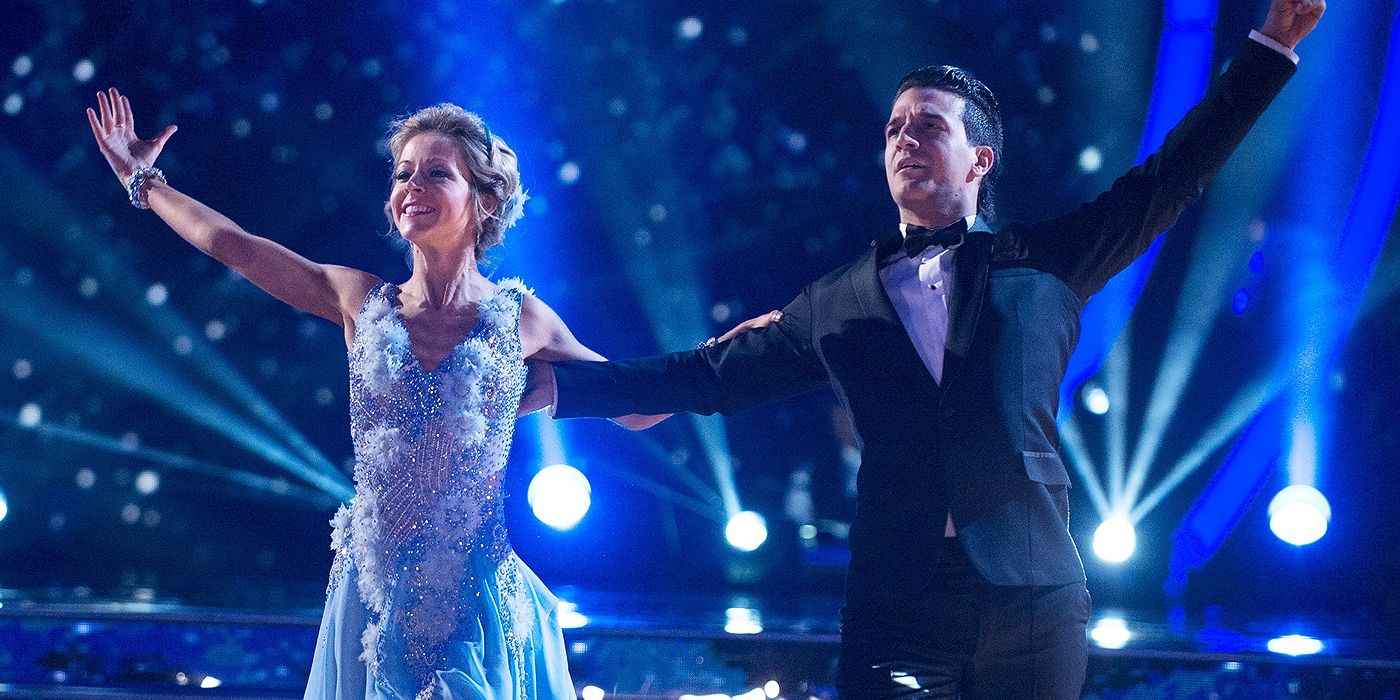
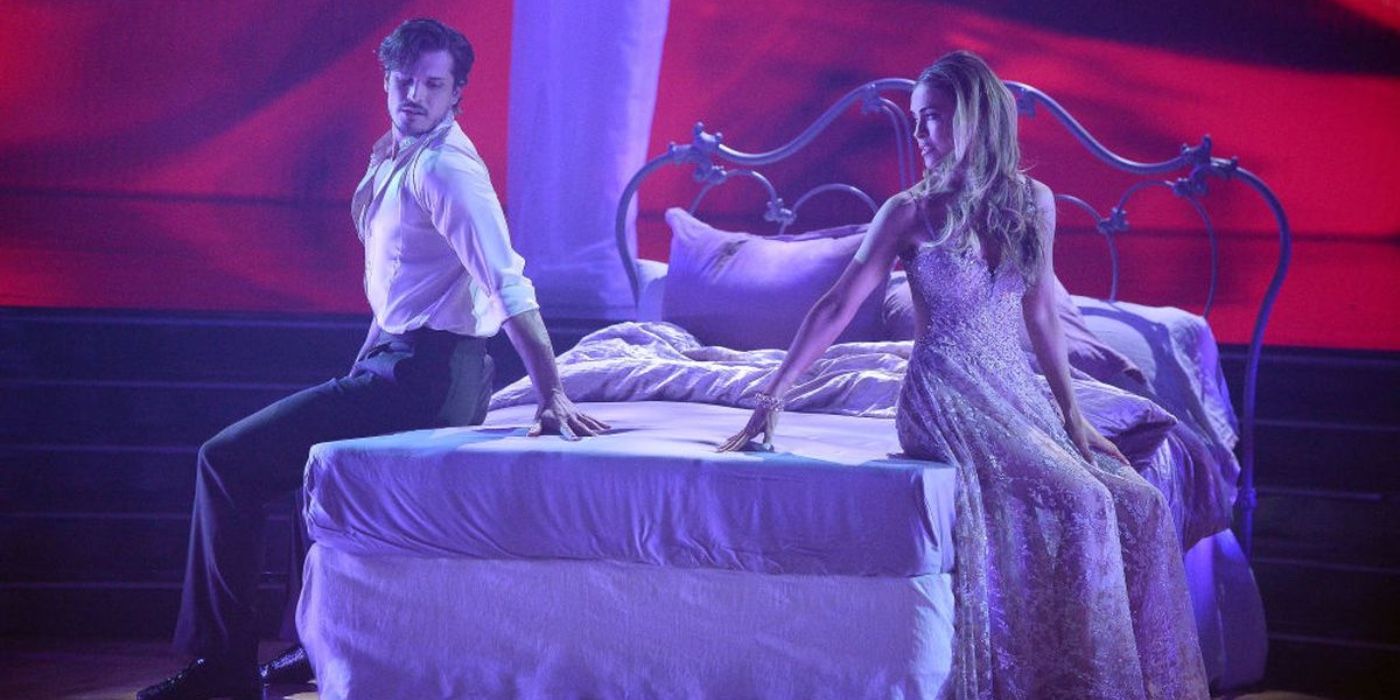
Even though Dancing With The Stars has been on the air for 16 years, there are still aspects of the show that even longtime fans do not know about. With ABC just kicking off DWTS season 30, there are some fans who have been continued to tune into the show each and every season. In addition, the show has gained numerous new fans along the way. But no matter how long a viewer has been tuning into the beloved dancing competition, there are some facts about DWTS that even diehard fans may not know.
The milestone Dancing With The Stars season 30 kicked off just recently. The list of celebrities that are taking on the ballroom this season, as well as the list of professional dancers that would be returning to the show, were both announced in the weeks leading up to the premiere. And yet, the pairings of pros and celebs weren't announced until moments prior to their first dances on the show. Alas, DWTS season 30 is filled with reality stars, athletes, actors, singers, and influencers.
One of the most important parts of Dancing With The Stars is the pairing of pro dancers and celebs, which can make or break a season. But many fans might not realize that dancers don't have any say in those pairings. Per Us Weekly, the pairings are always made by production and are primarily based on factors such as height, build, and personality. There have been many great DWTS partnerships over the years, but there have also been a few not-so-great ones. While the stars and dancers are typically put together quite some time in advance, there can be changes made up until the premiere. In fact, some stars have actually dropped out of doing the show prior to the start of filming.
Over the years, many fans have wondered if the dancing couples get to pick the songs they perform on DWTS. Although they do have the ability to suggest songs, production also has the final say in music. Luckily, it always works out in the end. Since the pros and the stars put a ton of time and effort into the show, they do in fact get paid for it. As for a quick breakdown of the DWTS commissions, it differs depending on the amount of time spent on the show. A star can reportedly make anywhere between $125,000 to $295,000, while professional dancers reportedly make about $5,200 per episode, always depending on their seniority and likeability with the fans.
The most important behind-the-scenes secret on DWTS is the grueling rehearsal schedule. The stars are required to attend rehearsals numerous times a week with their pro partner in order to perfect their dance for each upcoming episode. Usually, the duos that make the most of this studio time tend to make it further in the competition. Currently, all the season 30 couples are working hard in the studio preparing for their next live performance. When those next fun performances come to an end, another couple will be eliminated from the dancing competition.
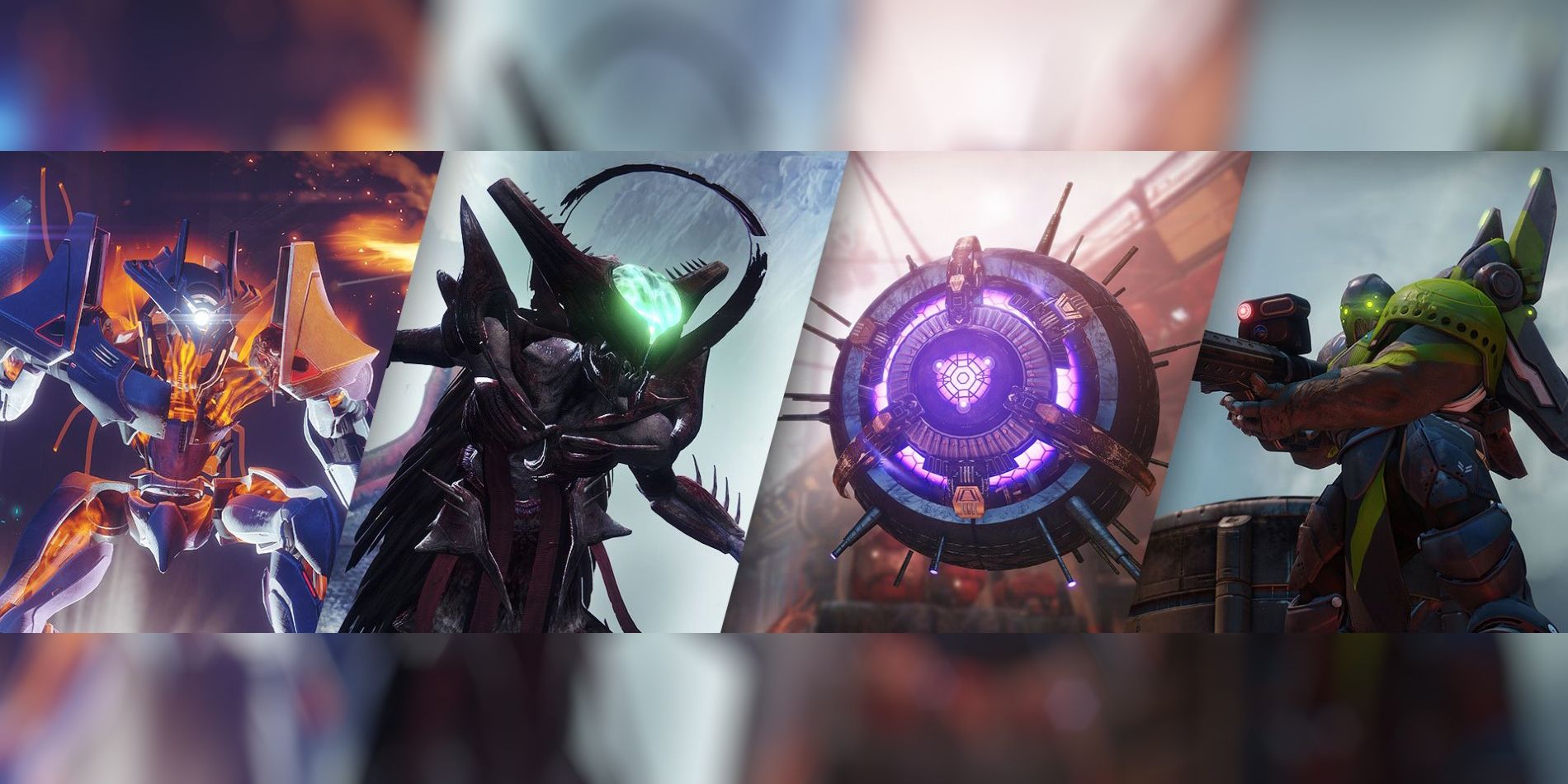
There is a lot of information in Destiny 2for new and returning players to take in all at once. Whether someone has taken time off for a season, an expansion, or a few years, significant changes are constantly being made in Destiny 2. For example, one of the largest changes that returning players will notice immediately is the vaulting of the Red War campaign.
Ever since the release of the Beyond Light expansion, Destiny 2 no longer has the Red War campaign from year one. The New Light campaign has taken its place and serves as a broad explanation for where to find every free-to-play activity. The New Light campaign offers an opportunity for new players to earn a ship, a sparrow, and a couple of weapons. Additionally, it's available for any returning player to grab from Quest Archive located in the Tower. It's a great idea for all new and returning players to complete this quest so they can grab base Power Level gear to defeat common enemies more easily.
While the New Light campaign covers Vanguard Strikes, Crucible, and Gambit, there are a lot of pieces to the Destiny 2 introductionthat are completely left out. Even though there are four available seasonal activities to complete within the Beyond Light expansion, Destiny 2 offers a complex level of weapon and armor acquisition that all builds toward endgame content like Dungeons, Raids, Trials of Osiris, and Grandmaster Nightfalls. First and foremost, the easiest way to acquire gear without having to worry about Power Level is by completing the Foresaken, Shadowkeep, and, Beyond Light expansions. These Destiny 2 expansions will cover a lot of ground, including crafting materials and unique currencies.
While completing the expansions and checking everything else out, these are the most important tips to keep in mind when starting or restarting Destiny 2 in 2021:
Armor Stats: Until players know how they want to build their Guardian, they should save every piece of armor that rolls with 60+.
Weapon Perks: Weapon perks are just as important as, if not more important than, the individual stats of weapons in Destiny 2. Light.gg is an excellent resource to use to check out the perks of a newly acquired weapon, and what the community deems as a God Roll.
Banshee-44 & Ada-1: Banshee and Ada are two of Destiny 2's vendors that are located in the Tower. Banshee offers bounties that reward Enhancement Cores, Weapon Mods, and XP. Ada offers bounties that reward Synthcord, which can be used to customize armor. Additionally, Banshee offers weapons with new perks every week, and Ada offers new armor with new stats every week. Finally, they both offer Upgrade Modules, Enhancement Prisms, Ascendant Shards, and mods for weapons and armor.
Xur: Xur sells an Exotic armor piece for each Guardian class every Friday to Monday, as well as an Exotic weapon. Starting in Season of the Lost, Xur now sells Legendary weapons and armor with random perks and stat rolls, respectively.
Seasonal Activities & the HELM: Activities from Seasons of the Hunt, Chosen, Splicer, and Lostare available for those who have the Beyond Light expansion. The starting activity for each of them can be found on the left-hand side of the Quest menu. The HELM serves as the hub for most seasonal activities, and it's also the place where Umbral Engrams can be focused for high-tier weapons and armor.
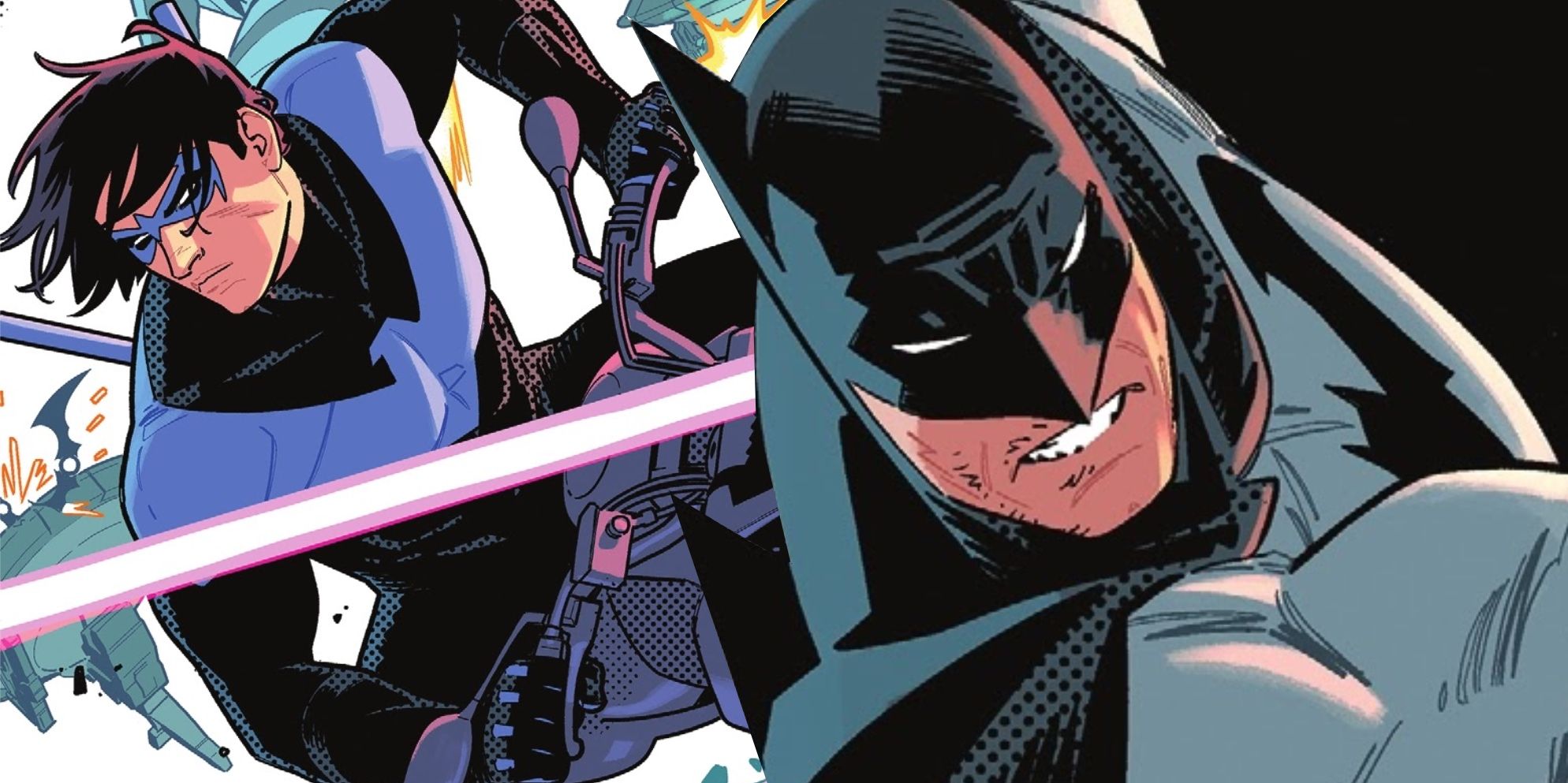
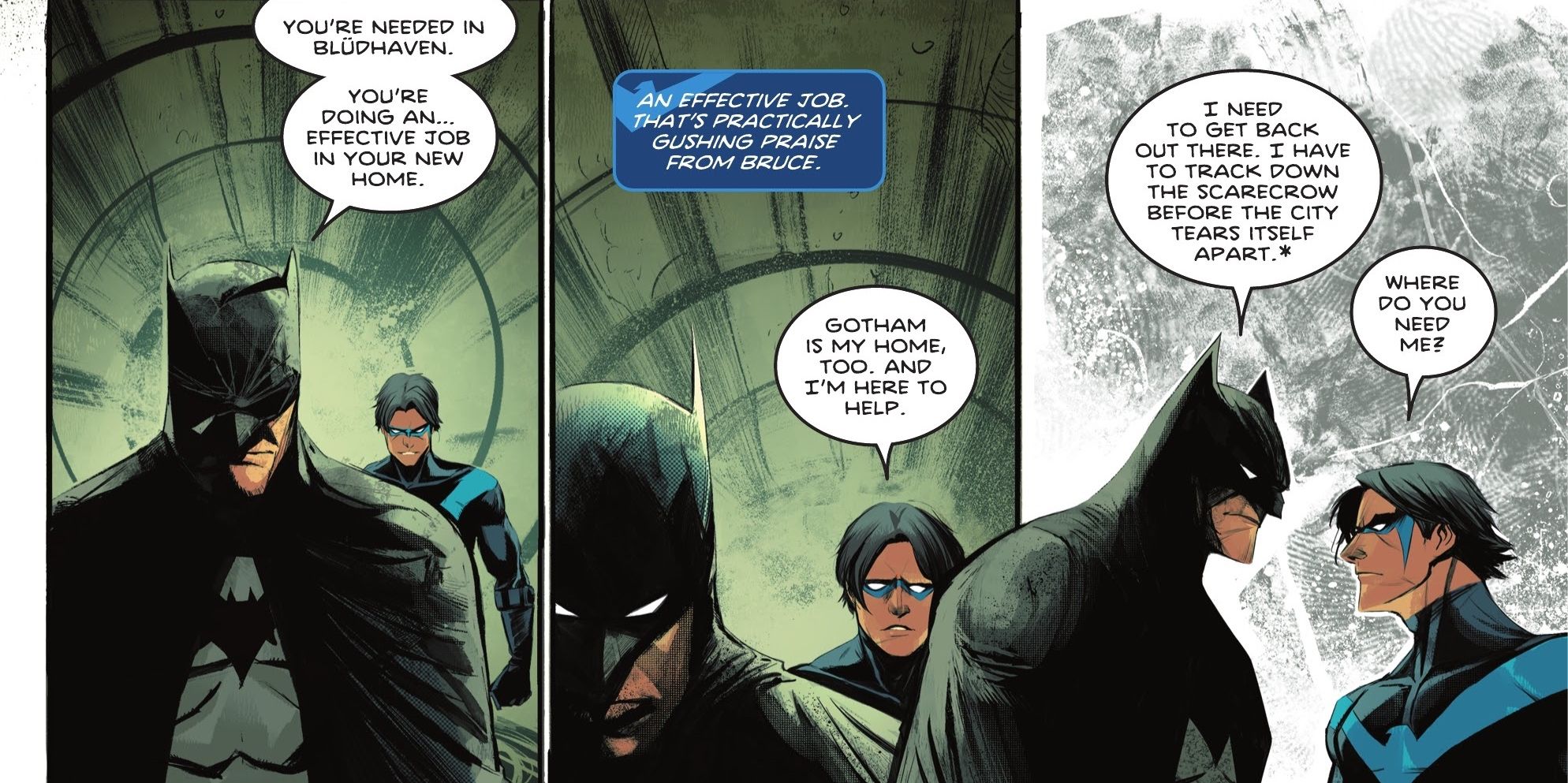
In the latest issue of DC Comics' Nightwing, even Batmanadmits that Dick Grayson is doing a better job than he is. Having come to Gotham City to help the Bat-Family during Scarecrow's widescale takeover known as Fear State, Nightwing notes that the Dark Knight's city is a prime example of what he's been trying to avoid happening in his own city of Blüdhaven. Dick wants to inspire and influence those he protects to be better and strong enough to not let fear win. Considering that with some of his more recent efforts, it's become clear that Nightwing has been nailing it while his surrogate father and mentor struggles to save and redeem his own city.
In previous issues of Batman's Fear State, Jonathan Crane's Scarecrow has been plaguing the city using mass manipulation and fear techniques he developed as a theory the scientific journals refused to publish. Known as the Fear State theory, Crane believes that a widespread act of fear and terror can be used to evolve society and make it stronger. Seeing the recent Joker War as the perfect catalyst, Crane has been working with the Magistrate paramilitary force to stoke fears and bring Gotham residents' terror to levels they've never experienced before to finally test his theory. Now, Nightwing #84 from Tom Taylor and Bruno Redondo sees Nightwing arriving in Gotham to help the Bat-Family fight back before Crane's experiment risks breaking Batman's city for good.
It's no secret that Dick Grayson's current efforts in his own city have been largely successful and exciting. Not only has Nightwing been using the billions he inherited from the late Alfred to create a foundation focused on helping those who are the most in need, but he's also working with his newly revealed half-sister Melinda, the current mayor of Blüdhaven. While Melinda is seemingly working for the crime bosses Blockbuster and Salvatore Maroni, who gave her the mayoral seat, she's recently claimed that she's been secretly working to bring them down from within their circle of trust. And she wants Nightwing's help to do it. Clearly, things have been looking up for Nightwing and his efforts as a hero, both with and without his mask, resulting in Batman giving Dick his version of praise in this new issue.
It seems as though Batman has been very aware of Nightwing's work in Blüdhaven, and he couldn't be prouder of his adopted son. However, one can imagine that must also be quite challenging for the Dark Knight to admit, seeing as his own city of been put through one harrowing gauntlet after another in the last few years. Anti-vigilante sentiments have risen to the point where Gotham's current mayor ran on a platform promising to ban vigilantism (which led to the present Magistrate being welcomed into the city as vigilante replacements).
As a result, it seems as though Batman has a lot of work to do before he can bring Gotham to the same level Nightwing has with Blüdhaven. Calming the city of Gotham and earning back their trust and support won't be a small feat by any means, and it may be nearly impossible at this point considering all that the city has been through. As such, it seems safe to say that Nightwing has surpassed Batman as a more effective hero, and the Dark Knight himself knows it.
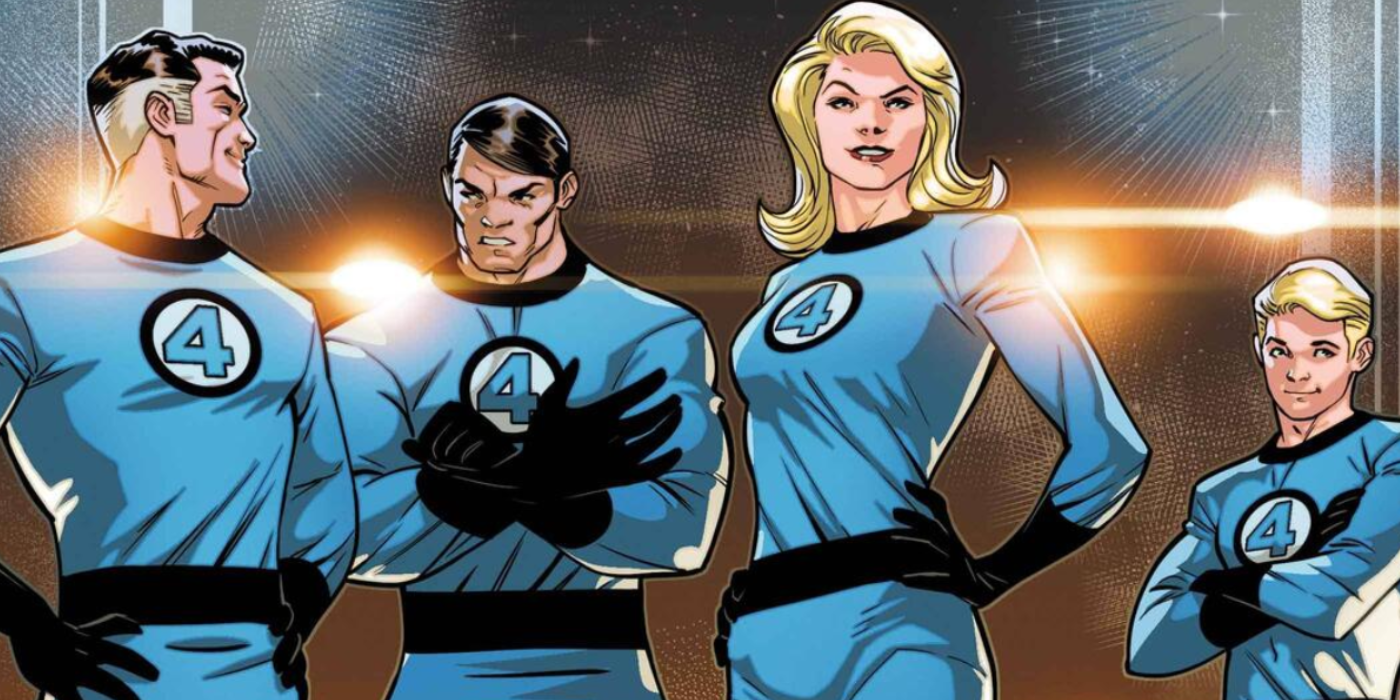
The Fantastic Four are known for their close family dynamic, adventures in exotic worlds and dimensions, and unique powers and abilities that would easily stretch, shred or burn any average garment - so how do their uniforms work without doing the same? Marvel's First Family has an incredibly diverse superpower set that allows them to take on any threat, but regular clothes are incompatible with their powers (except perhaps the Thing, with the weakness of being "locked in" to his rocky form and has no control over his powers). The creation of the Fantastic Four's iconic blue suits and their unique properties is perhaps as interesting as the creation of the team itself.
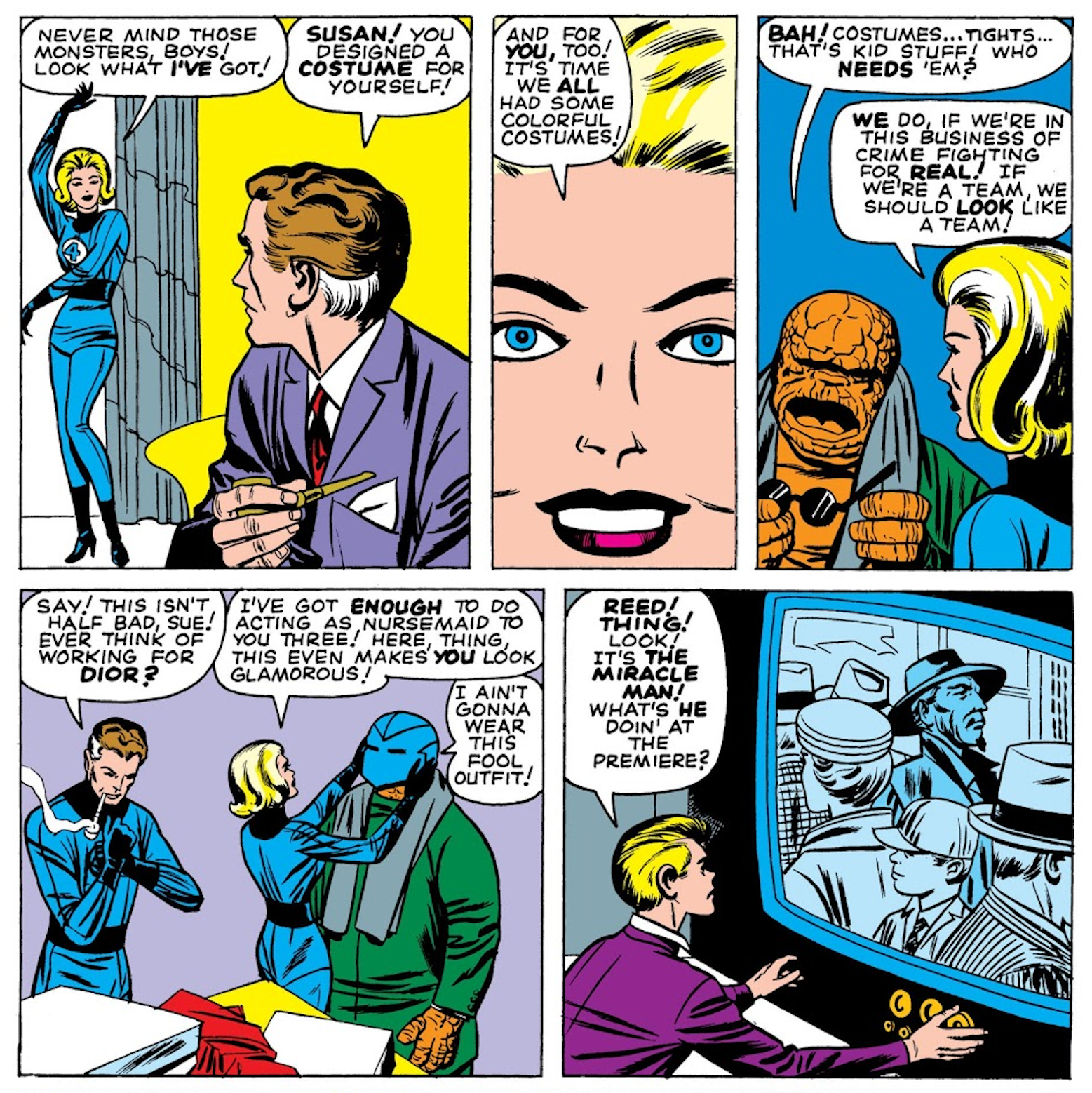
In 1961, the team's debut in Fantastic Four #1 did not feature the blue suits at all. Although their astronaut suits featured blue coveralls and white gloves, they were created before they acquired their powers. The four would find themselves wearing all blue for the second time in the same issue when they infiltrated the base of the Mole Man, and it would not be until Fantastic Four #3 that all four would wear the blue suits specifically made for the team - not by Reed Richards, but by Sue Storm.
Yes - despite nearly every other adaptation of Fantastic Four portraying Reed Richards as the designer of the suits, Susan Storm was the original creator of the uniforms in the comics. They were completely identical, which meant Ben Grimm received long pants instead of the shorts he would later be known for wearing (the helmet, also given to him by Sue, would be quickly jettisoned later in the issue - although it would later be used when the Thing received a facial scar). However, this was still in an era where the Fantastic Four's clothes changed along with their powers with no explanation. The infamous "unstable molecules", the canon explanation that allows the uniforms to conform to the powers of the wearer, wouldn't be mentioned until Fantastic Four #6. But how do unstable molecules work?
According to Reed Richards in Fantastic Four #6, his costume is "...woven from fibers containing unstable molecules that shift in structure whenever I affect the change!" But the exact way in which they work is detailed in the story "Unstable Molecules" from Marvels Comics: Fantastic Four #1 in 2000. Unstable molecules can be bonded to normal molecules; when an atomic shift occurs nearby (such as an activation of a superpower), they mimic the change and alter the normal molecules to which they've attached themselves. This is how the suits of the Fantastic Four can turn invisible, stretch, and burn along with the wearers. As the smartest man on Earth, Reed Richards' discovery is just one of many.
Of course, the above explanation is complete pseudoscience; unstable molecules are about as plausible as Spider-Man's web fluid or Ant-Man's Pym particles. But the suits of the Fantastic Four are part of their identity, to the point where fans cried foul when the much-maligned 2015 Fant4stic reboot decided to do away with the blue suits in favor of featureless black. The classic costumes of the Fantastic Four are immediately identifiable - unstable molecules or not.
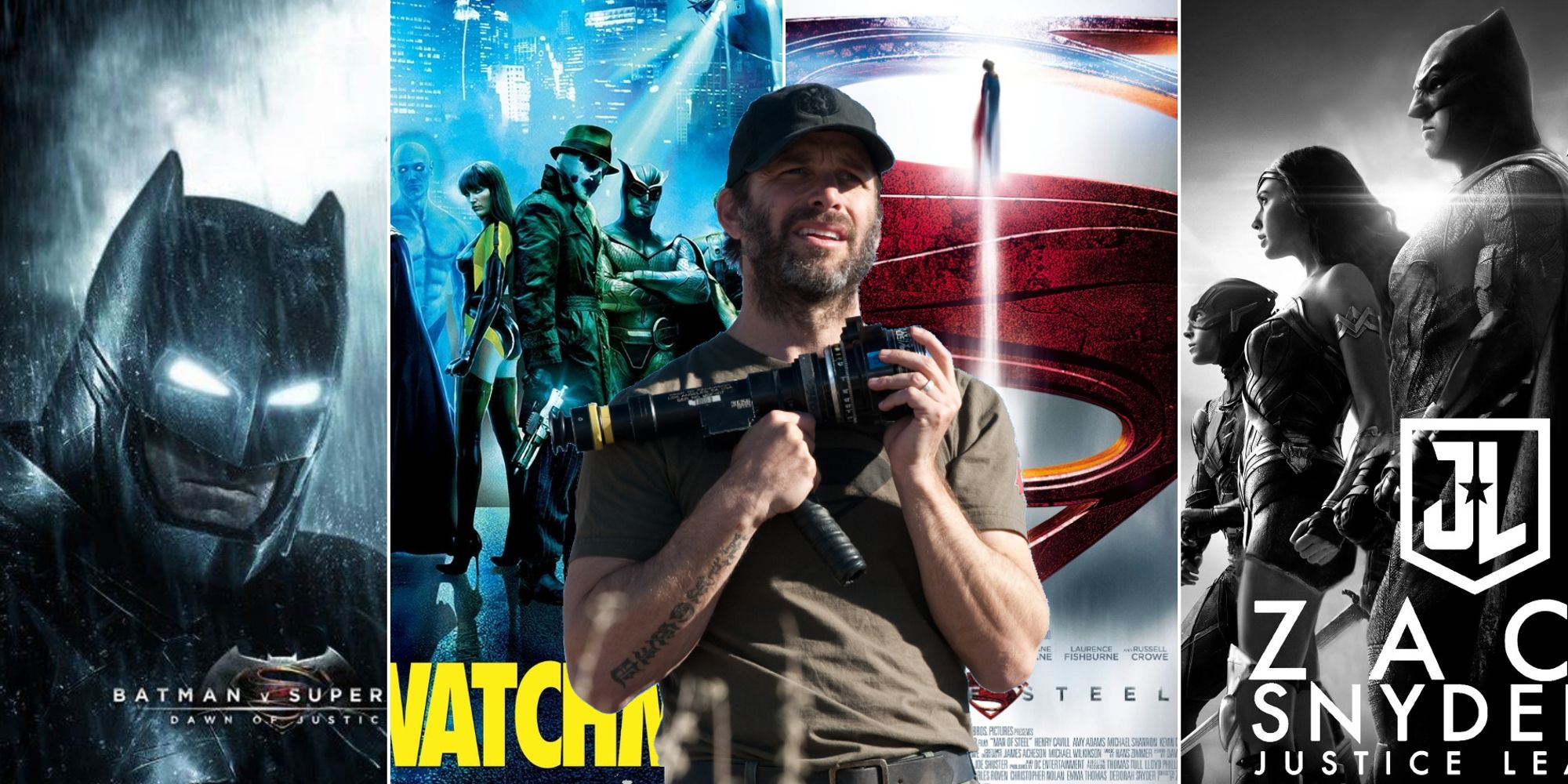
Where do Zack Snyder’s movies for DC rank from worst to best? Snyder often polarizes audiences and critics alike, but there is no doubt that his boundless passion and distinctive style sets him apart from his peers. Snyder has a deep love of comics and has dedicated a large portion of his career to bringing his childhood heroes to the big screen. His detractors say that he inherently misunderstands what makes these characters special. His fans argue that there is no other filmmaker that is able to present these modern-day gods with such cinematic flair.
Snyder made his first foray into the DCEU with 2009's Watchmen. Although not part of the same shared cinematic universe as his later projects, the film nonetheless represents his earliest work within the genre. Following this, Snyder has gone on to direct three feature DC superhero films, in the form of Man of Steel, Batman V Superman: Dawn of Justice, and a troubled version of Justice League. Although he has never lost his signature style, it's clear that Snyder's movies have also divided the crowd.
Known for his use of slow motion and speed ramping as well as his visceral and often brutal action scenes, there is no mistaking a Zack Snyder movie. Below are his four DC movies ranked from worst to best. For clarification, 2017’s Justice League is not included, as while it has footage shot by Snyder, it is not “his film”, having been completed by Joss Whedon.
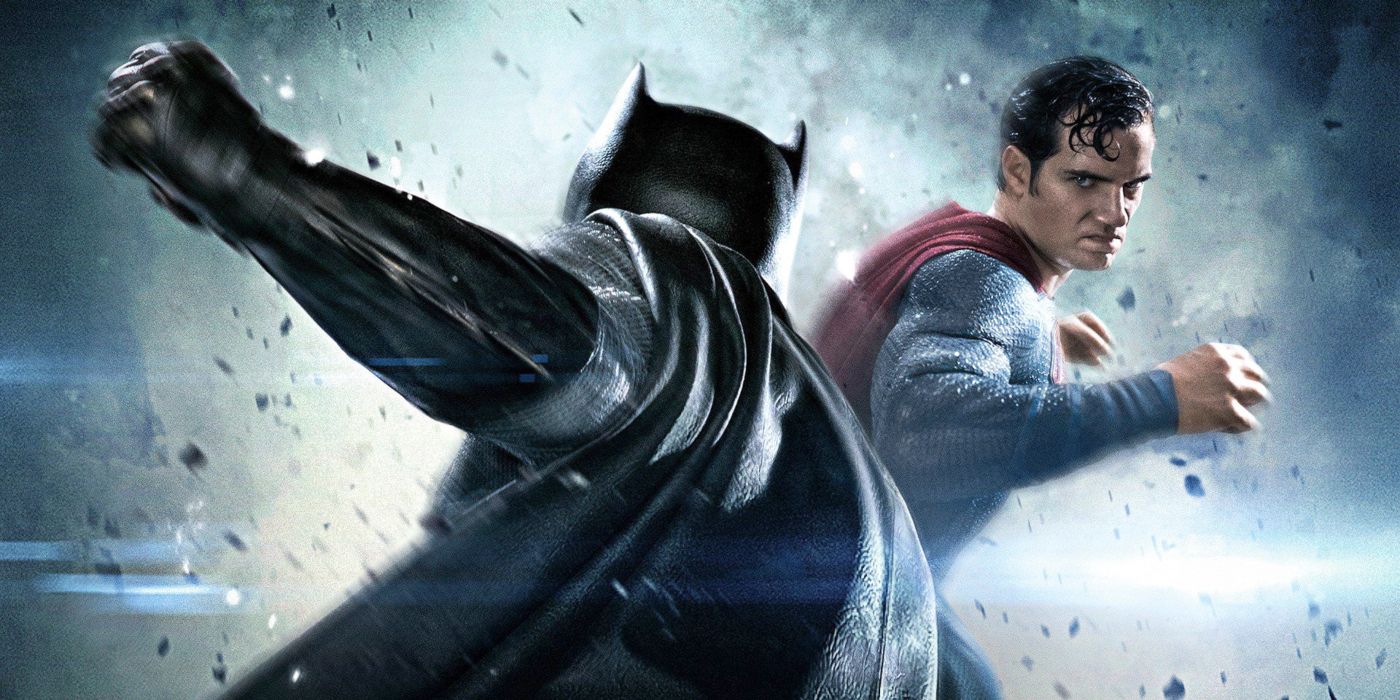
2016's Batman V Superman: Dawn of Justice is a visual delight; every frame is a piece of art. The film also took the criticism of Man of Steel’s third act destruction and turned it into believable motivation for the Dark Knight to want Superman taken out. Less believable however is Clark Kent’s rationale for stopping Batman. Superman is presented as angst-ridden and brooding, and the film’s dour tone makes for a somber experience. The film struggles to execute the infamous “Martha” scene into a satisfying resolution for the conflict. Introducing Doomsday into the movie (and thus Superman’s sacrifice) this early in the DCEU was a mistake, though does result in arguably some of the best action Snyder’s ever created.
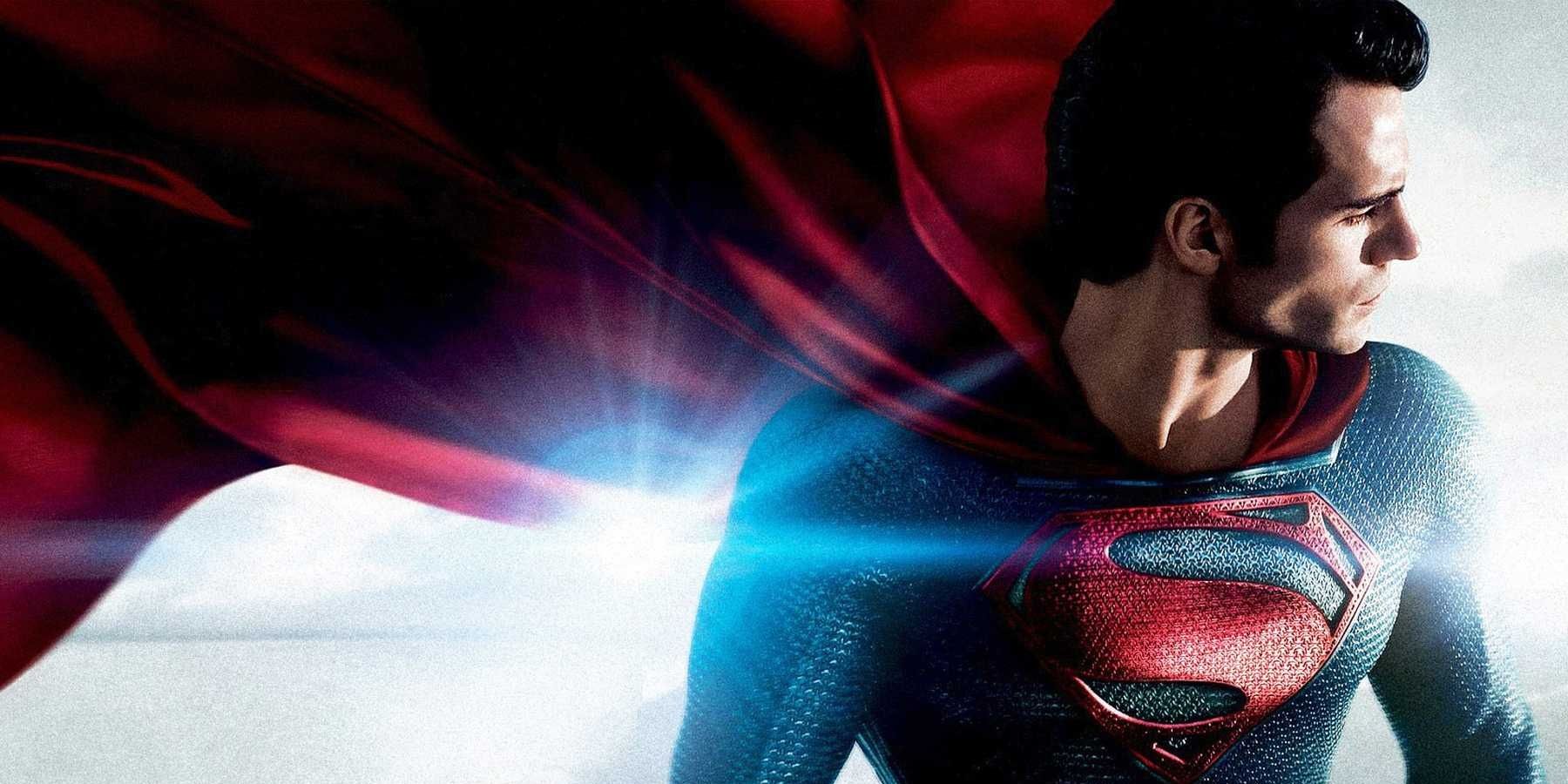
Snyder’s grounded approach to Superman in Man of Steel followed in the footsteps of Christopher Nolan’s Dark Knight trilogy, the influence of which is all over Snyder’s film. Henry Cavill gives Clark Kent real empathy in an introspective performance, and while the lack of humor and overly dark tone threatens to weigh the film down in places, Hans Zimmer’s score is an instant classic that makes the picture soar. Snyder’s camera dynamically follows Henry Cavill’s Superman through the skies in a way that just wasn’t possible when Christopher Reeve donned the cape, and his brawls with Zod and his minions are the first time Superman’s powers had been realistically portrayed on the silver screen.
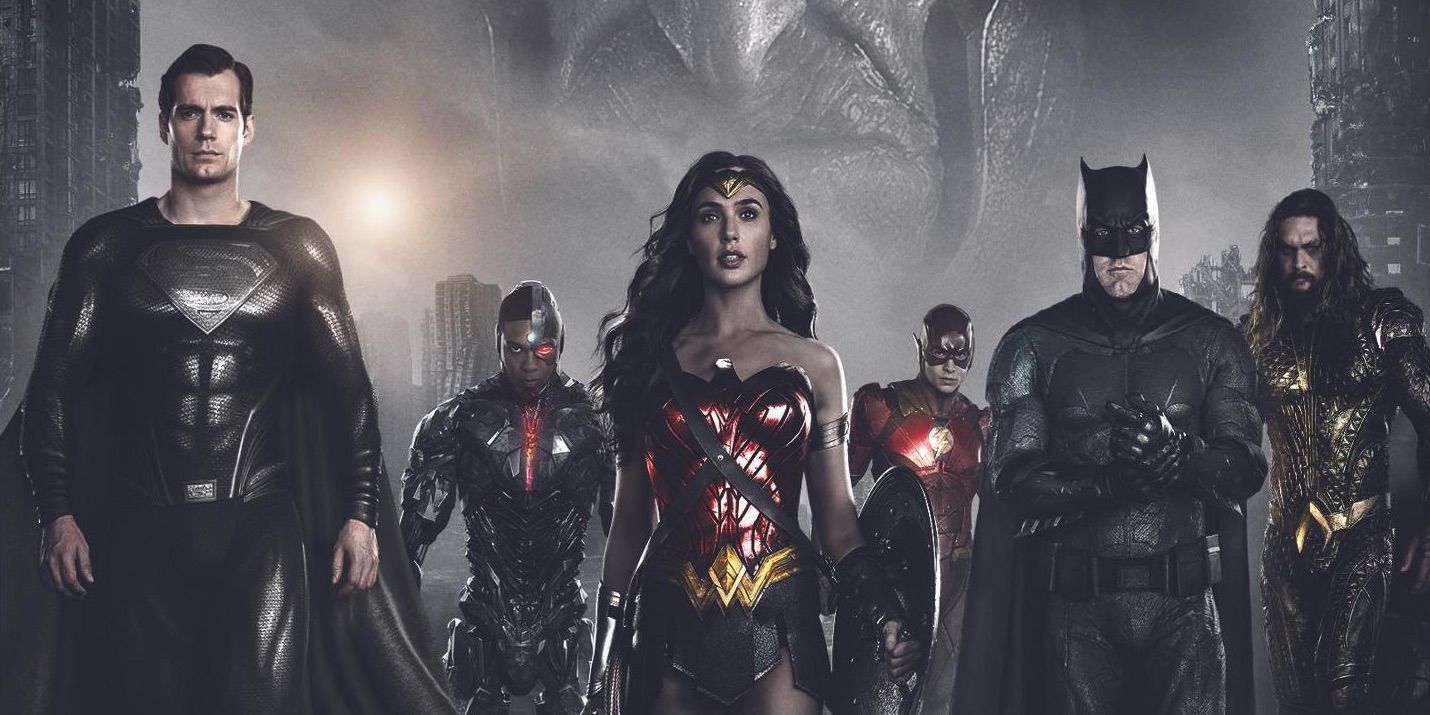
With almost complete creative control, Zack Snyder's Justice League is, for better or worse, everything Snyder wanted it to be. With that freedom comes richer, fuller character arcs for every member of the League, with particular validation for Cyborg, whose role was butchered in the theatrical cut. Inevitably the film's epic length also means that the pacing suffers in places. Notwithstanding this, the action scenes are exciting and numerous and the excellent score from Tom Holkenborg retrieves the sound of the DCEU established by Hans Zimmer. The Snyder Cut’s villains are suitably menacing and worthy of the formation of the Justice League, and overall almost every change made is an improvement over the theatrical cut.
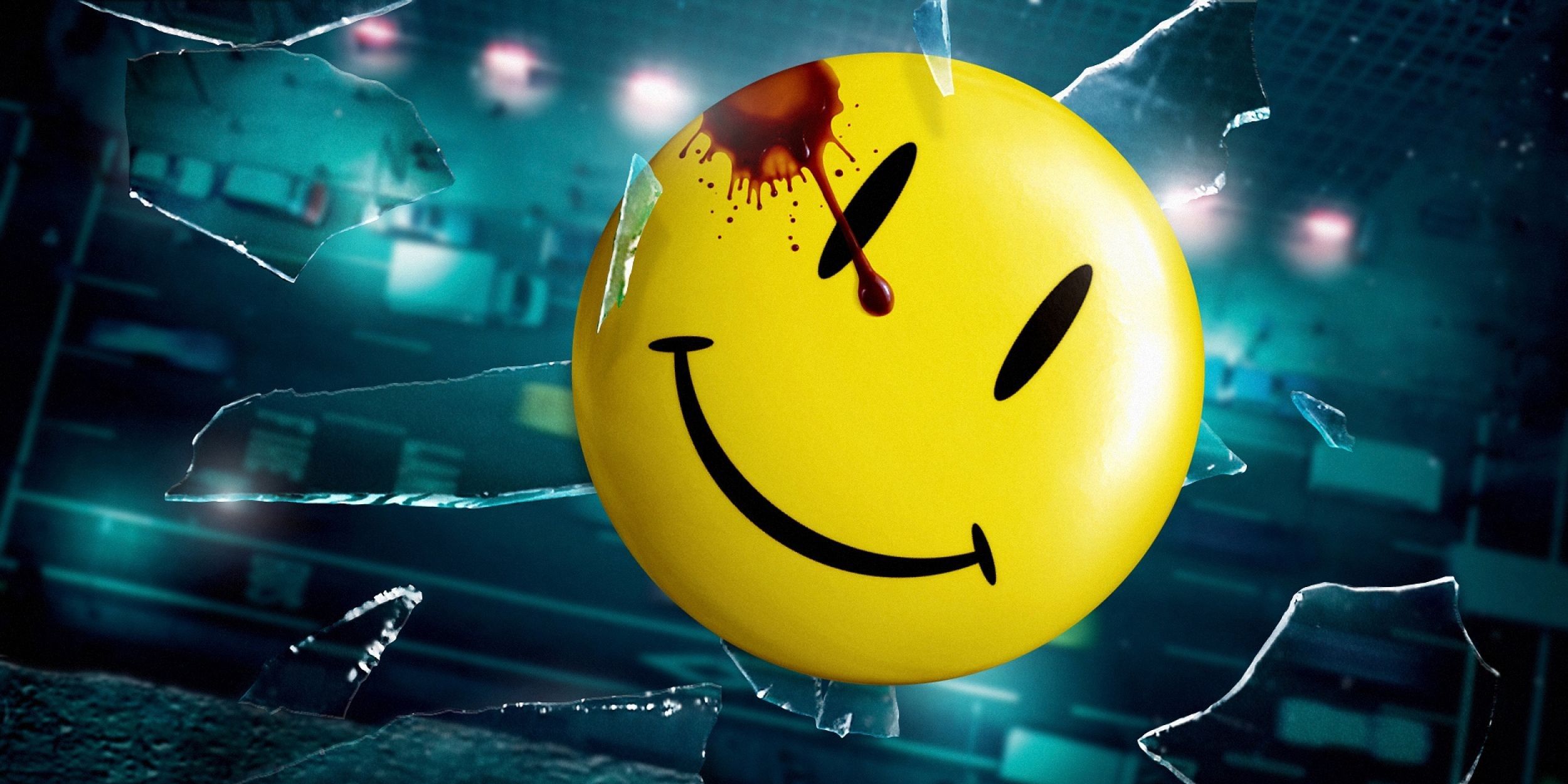
2009's Watchmen ranks as Snyder's most accomplished and assured work for DC. The story’s subversion of superhero tropes gives the director a rich canvas on which to present a gritty and visually stunning movie, stylish and uniquely different from every other superhero film. It delivers on the action quota expected of the genre but infuses it with complex themes and ideas to which there aren’t straightforward answers. Aside from him changing Watchmen’s comic book ending for the movie (which while divisive, was arguably the correct decision), Snyder otherwise stays largely faithful to the text throughout. He pulls excellent performances from his ensemble cast, who are presented in varying shades of moral grey. Similar to his future output, an “Ultimate Cut” adds even more richness to the world. With the release of more and more standard superhero movies each year, the virtues of Zack Snyder’s Watchmen are only becoming more apparent.
Francis Ford Coppola’s Vietnam War epic Apocalypse Now was hailed as one of the greatest movies of the 1970s. ‘70s icons Martin Sheen, Robert Duvall, and Marlon Brando gave unforgettable performances in the film. But if it had been released in the 1990s, it could’ve turned out very differently.
The production of Apocalypse Now faced so many setbacks and complications that the movie did almost end up coming out in the ‘90s. If Coppola had put off the filming of Apocalypse Now from the decade he made The GodfatherParts I and II to the decade he made The Godfather Part III, he might’ve cast these actors instead.
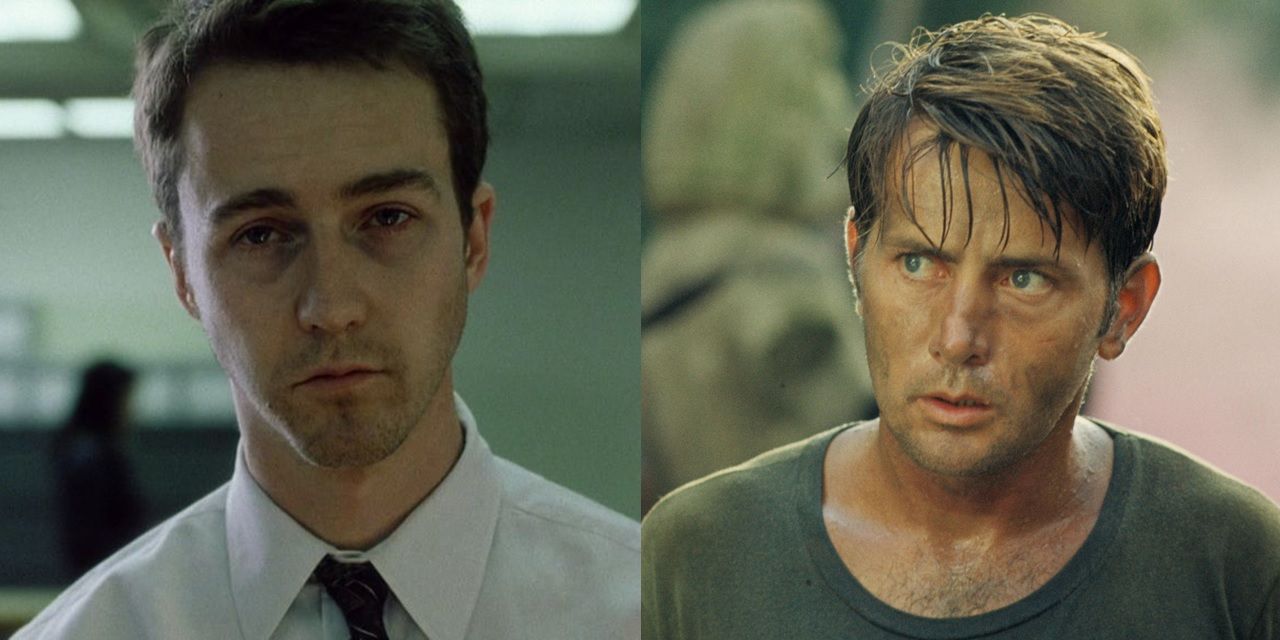
8 Edward Norton As Captain Willard
Casting the role of Captain Willard, the lead in Apocalypse Now, proved to be so difficult that Coppola himself got it wrong the first time. According to The Guardian, Harvey Keitel was initially cast in the role, but Coppola fired him a few weeks into shooting because it wasn’t working out. Keitel was replaced by Martin Sheen, who knocked the role out of the park.
Willard is a disturbed, sleep-deprived, psychologically scarred antihero. Since that same description could be applied to the Narrator from Fight Club, Edward Norton would’ve made a great Captain Willard in the 1990s.
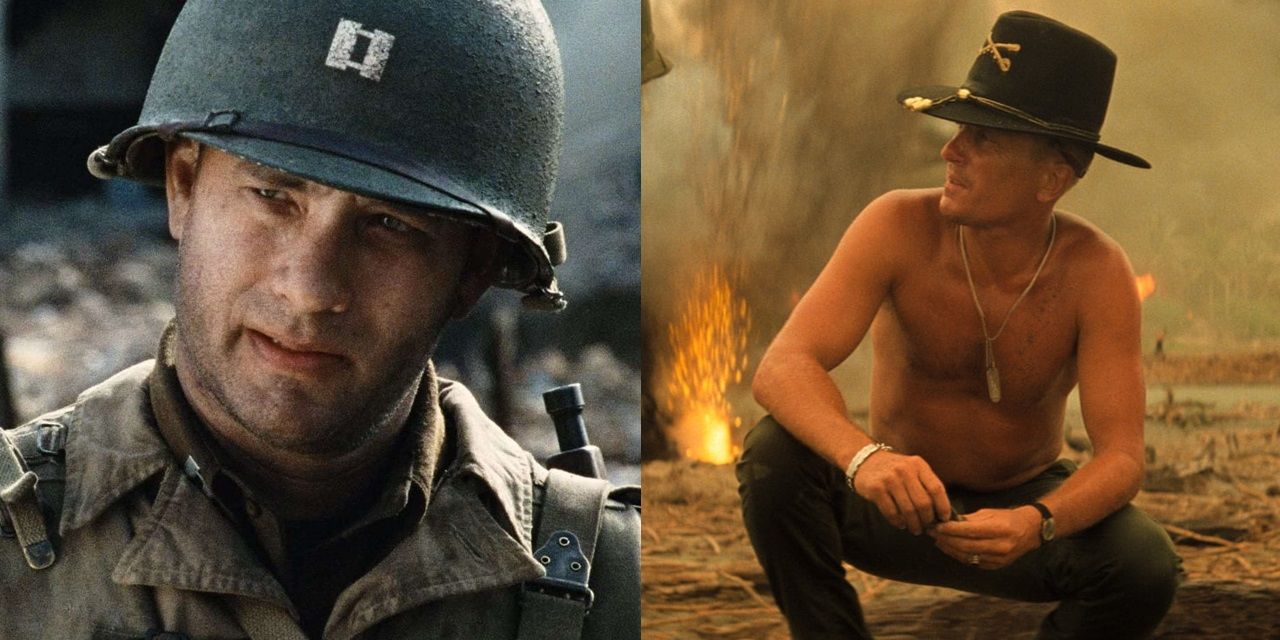
7 Tom Hanks As Kilgore
Although some of his scenes were cut, Robert Duvall’s Kilgore ended up being one of the most memorable supporting characters in Apocalypse Now – not least because he delivers the unforgettable one-liner, “I love the smell of napalm in the morning.”
Kilgore’s casualness in the face of the horrors of war bolsters the movie’s theme of how fighting in wars chips away at people’s humanity. In the ‘90s, lovable everyman Tom Hanks could’ve deftly conveyed Kilgore’s grace under pressure.
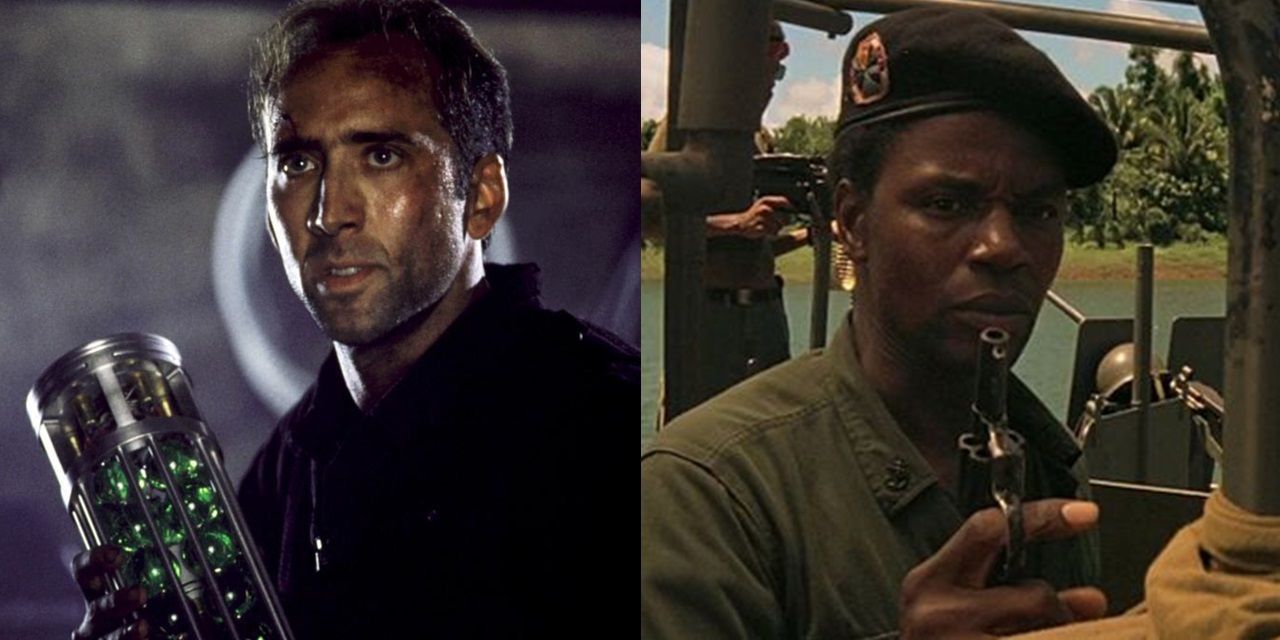
6 Nicolas Cage As Chief Petty Officer George Phillips
Chief Petty Officer George Phillips is the guy in charge of the boat that Willard takes up to Colonel Kurtz’s compound. The Chief runs a tight ship and butts heads with Willard whenever he questions his authority or tries to take over the voyage.
He was played by Albert Hall in the 1979 movie, but in the 1990s, he could’ve been played by Nicolas Cage. Cage’s eccentric line deliveries would’ve spiced up the Chief’s clashes with Willard.
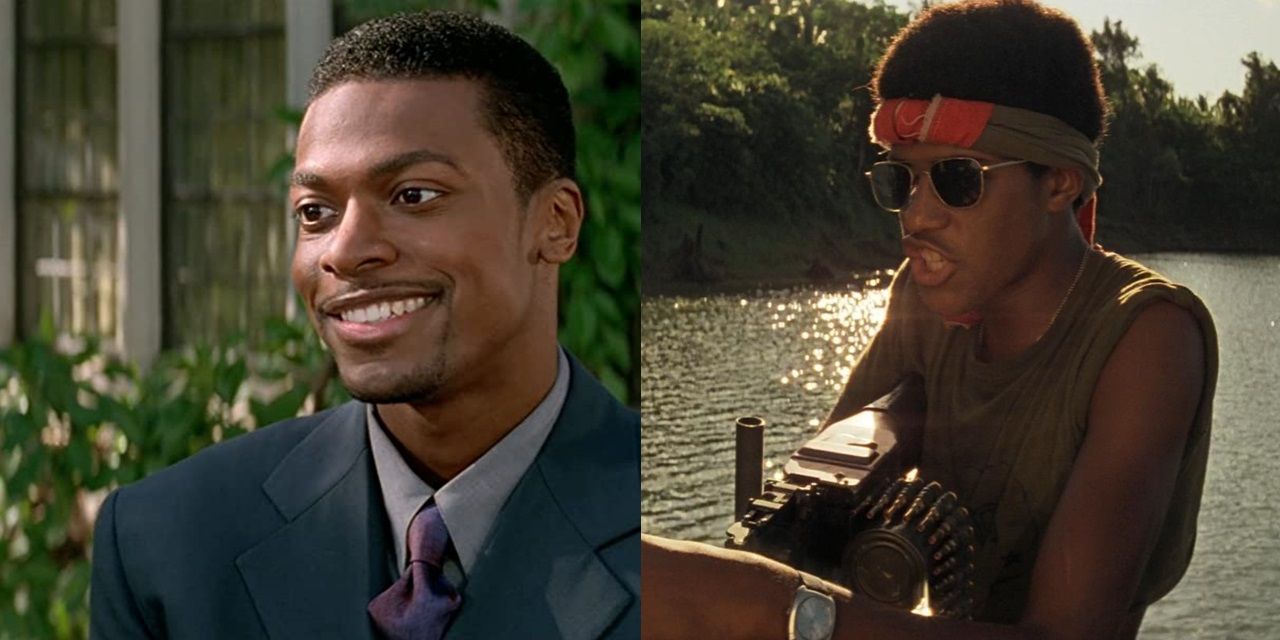
5 Chris Tucker As Mr. Clean
According to Peter Cowie’s The Apocalypse Now Book, Laurence Fishburne lied about his age to land his role as “Mr. Clean” in Coppola’s war epic. He was only 14 when he was cast, but since the movie took so long to produce, he was 18 by the end of the shoot.
The role of Mr. Clean, a cocky 17-year-old crew member, required a youthful actor with a lot of energy. Chris Tucker’s star was on the rise in the ‘90s, thanks to his frequent appearances on Def Comedy Jam, so he could’ve filled this role.
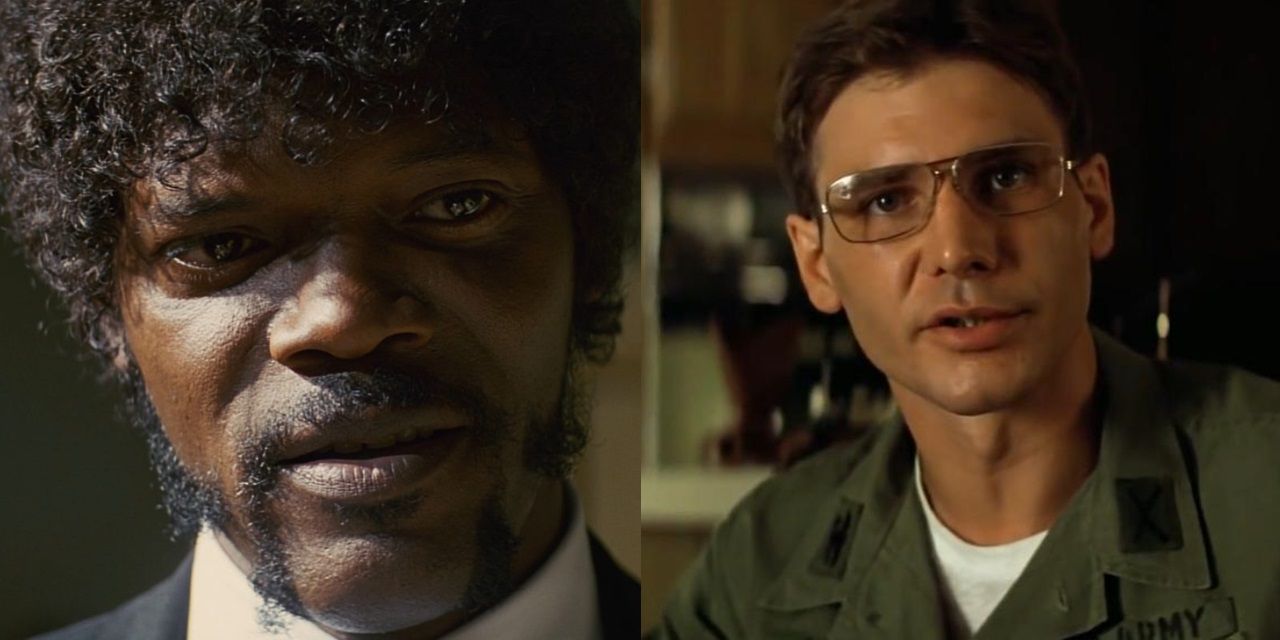
4 Samuel L. Jackson As Colonel G. Lucas
Named in honor of Coppola’s friend George Lucas, Colonel G. Lucas has a small but pivotal role in the crucial exposition scene near the beginning of Apocalypse Now. The sequence is just a couple of minutes long, but it deftly sets up the goals and stakes of Willard’s mission.
In the original movie, the role was played by a cameoing Harrison Ford. Colonel Lucas needs a compelling actor who can handle long monologues. Tarantino made Samuel L. Jackson the most renowned speech-giving actor of the ‘90s with his iconic scenes in Pulp Fiction and Jackie Brown.
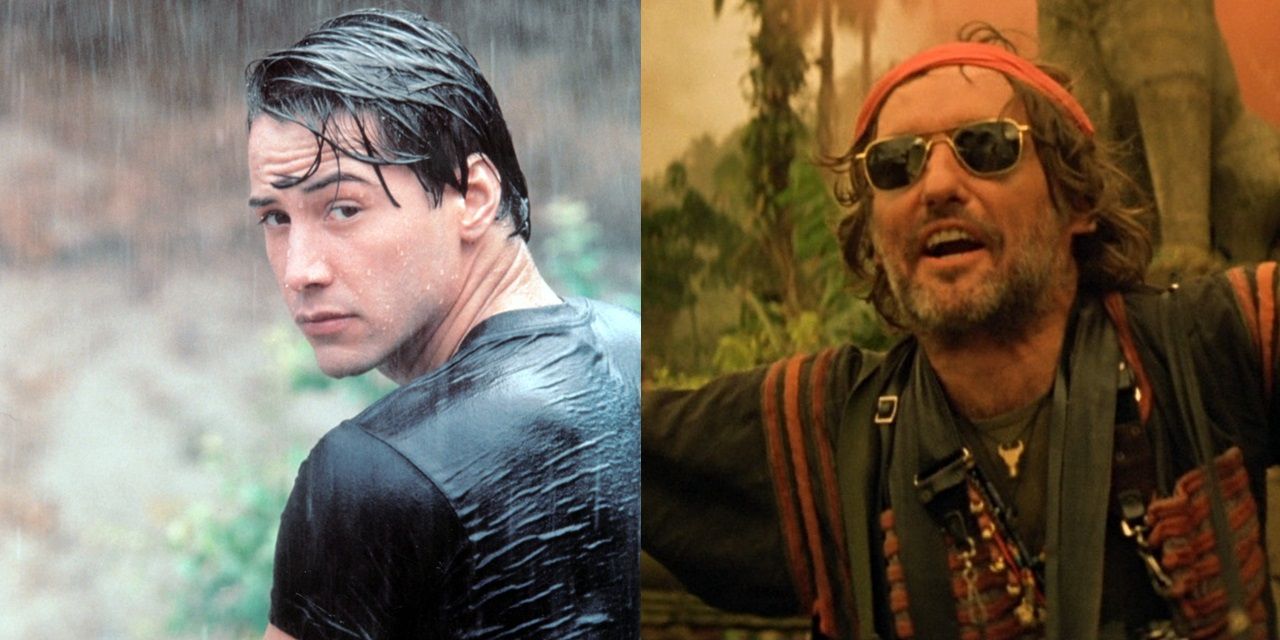
3 Keanu Reeves As The American Photojournalist
The unnamed American photojournalist that greets Willard when he arrives at Colonel Kurtz’s compound was originally played by Dennis Hopper. Hopper’s erratic acting style ensured that this character made an unforgettable impression, despite his brief screen time.
This role requires an actor with a spiritual air around them to sell the cultish atmosphere of Kurtz’s compound. Having played the metaphysical savior of humanity in The Matrix, Keanu Reeves could’ve nailed this part.
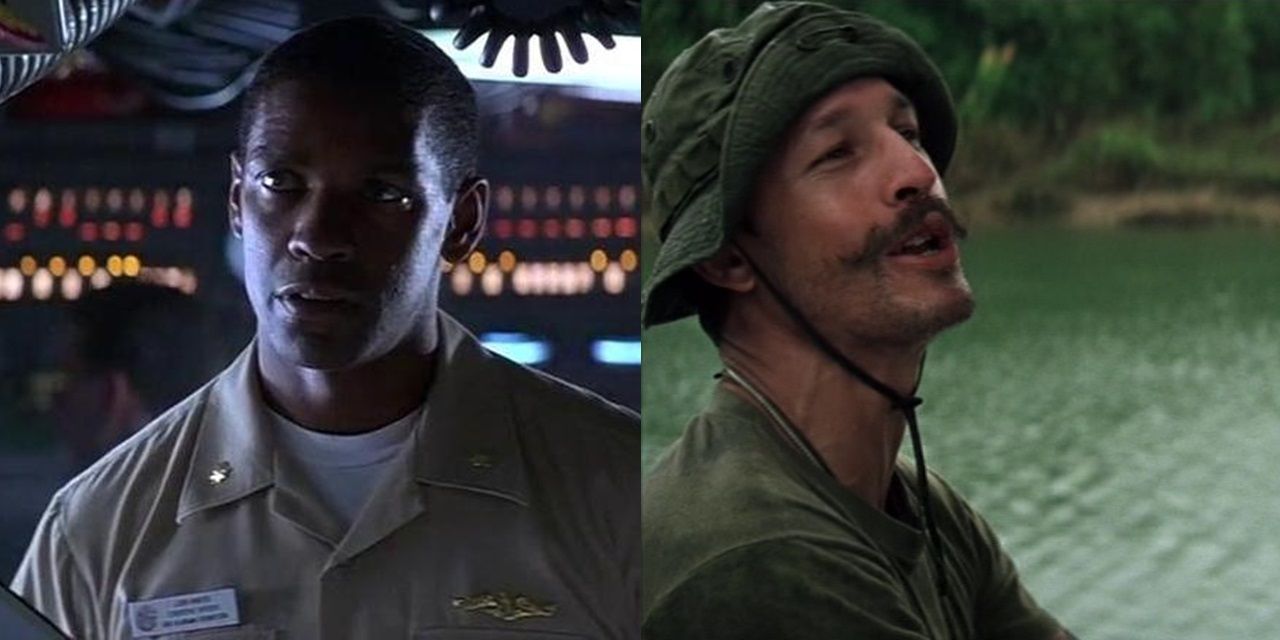
2 Denzel Washington As Chef
Originally played by Frederic Forrest, Engineman 3rd Class Jay Hicks (nicknamed “Chef” because he was a chef in New Orleans before being drafted) is one of the most human, relatable characters in Apocalypse Now. Unlike the jaded Willard or the lackadaisical Kilgore, Chef is horrified by what he sees around him.
This role needs a sensitive actor who can give nuanced turns as conflicted characters. Denzel Washington, one of the biggest stars of the ‘90s who went on to win an Oscar for playing a crooked cop, could’ve done wonders with this character.
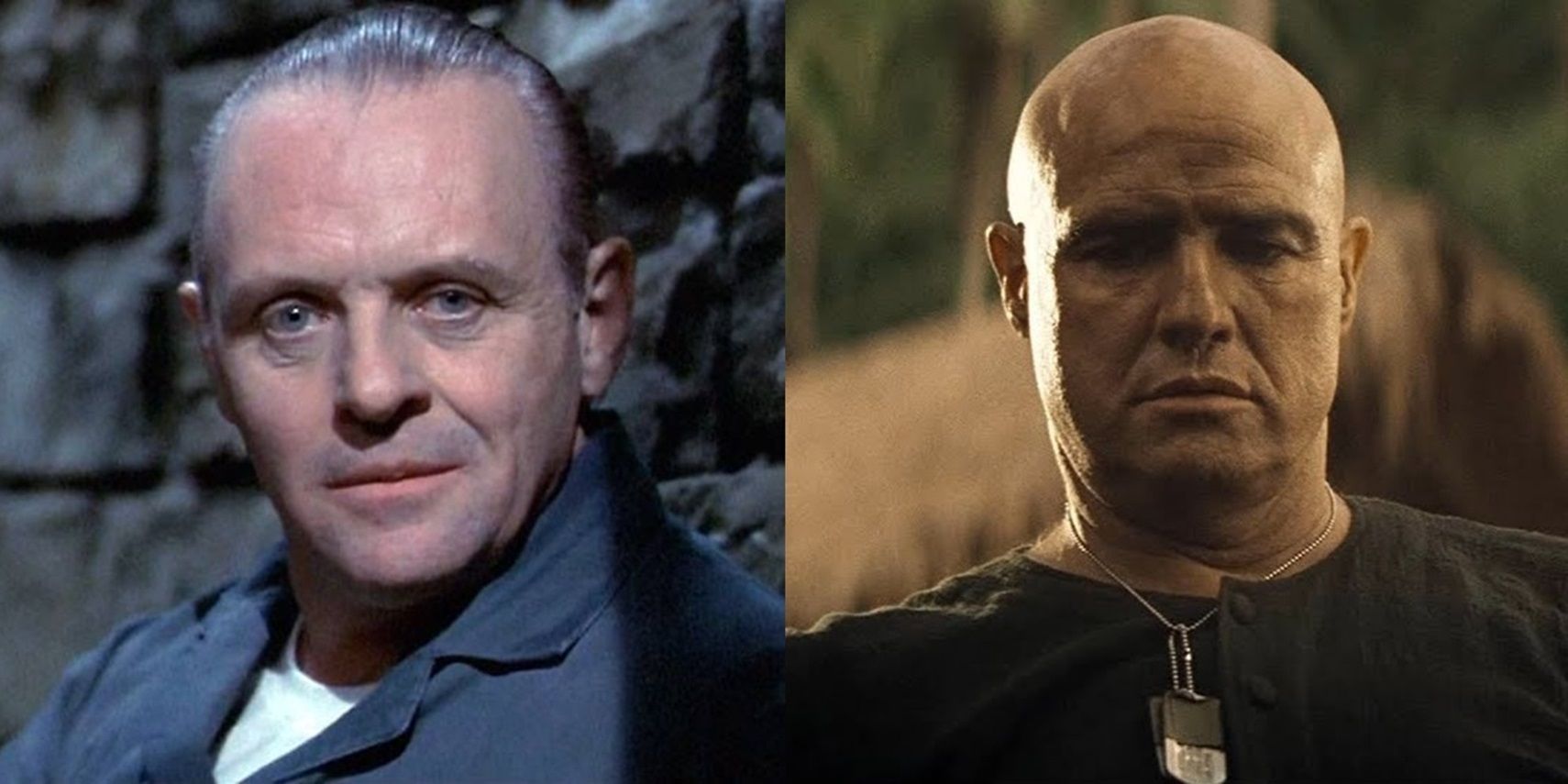
1 Anthony Hopkins As Colonel Kurtz
Colonel Kurtz, originally played by Marlon Brando, is one of the most memorable villains in movie history. The role needs an actor who, like Brando, can make an impression as a sinister baddie with a small amount of screen time.
Sir Anthony Hopkins could’ve been a perfect choice in the ‘90s. He won the Academy Award for Best Actor with just 16 minutes of screen time as the villainous Dr. Hannibal “the Cannibal” Lecter in The Silence of the Lambs.